
גראַניט איז אַ טיפּ פון מאַגנעטיש שטיין וואָס ווערט אויסגעגראָבן צוליב זיין עקסטרעמע שטאַרקייט, געדיכטקייט, האַרטקייט און קעגנשטעל קעגן קעראָוזשאַן. אָבער גראַניט איז אויך זייער ווערסאַטאַל - עס איז נישט נאָר פֿאַר קוואַדראַטן און רעכטעקן! אין פאַקט, מיר אַרבעטן מיט בטחון מיט גראַניט קאָמפּאָנענטן וואָס זענען אינזשענירט אין פֿאָרמען, ווינקלען און קרומען פון אַלע וועריאַציעס אויף אַ רעגולערער באַזע - מיט ויסגעצייכנטע רעזולטאַטן.
דורך אונדזער מאָדערנער פּראָצעסירונג, קענען געשניטענע ייבערפלאַכן זיין אויסערגעוויינלעך פלאַך. די קוואַליטעטן מאַכן גראַניט דעם אידעאַלן מאַטעריאַל צו שאַפֿן מאַשין באַזעס און מעטראָלאָגיע קאָמפּאָנענטן אין אייגענע גרייסן און לויט אייגענע דיזיינען. גראַניט איז:
■ מאַשינירבאַר
■ פּונקט פלאַך ווען געשניטן און פאַרטיק
■ ראַסט קעגנשטעליק
■ דויערהאפט
■ לאַנג-דויערנדיק
גראַניט קאָמפּאָנענטן זענען אויך גרינג צו רייניקן. ווען איר שאַפֿט מנהג דיזיינז, זייט זיכער צו קלייַבן גראַניט פֿאַר זייַנע העכערע בענעפיץ.
סטאַנדאַרדן / הויך טראָגן אַפּלאַקיישאַנז
דער גראַניט וואָס ZHHIMG ניצט פֿאַר אונדזערע נאָרמאַלע פּלאַטן פּראָדוקטן האָט אַ הויכן קוואַרץ אינהאַלט, וואָס גיט אַ גרעסערע קעגנשטעל קעגן טראָגן און שאָדן. אונדזערע סופּיריער שוואַרצע קאָלירן האָבן נידעריקע וואַסער אַבזאָרפּציע ראַטעס, וואָס מינימיזירט די מעגלעכקייט אַז אייערע פּינקטלעכע מעסטער זאָלן ראַסטן בשעת זיי שטעלן זיך אויף די פּלאַטעס. די קאָלירן פון גראַניט וואָס ZHHIMG אָפערט רעזולטירן אין ווייניקער גלאַנץ, וואָס מיינט ווייניקער אויג-שפּאַנונג פֿאַר מענטשן וואָס ניצן די פּלאַטעס. מיר האָבן אויסגעקליבן אונדזערע גראַניט טיפּן בשעת מיר באַטראַכטן טערמישע יקספּאַנשאַן אין אַן אָנשטרענגונג צו האַלטן דעם אַספּעקט מינימאַל.
קאַסטאַם אַפּלאַקיישאַנז
ווען אייער אַפּליקאַציע פארלאנגט אַ פּלאַטע מיט מנהג-געמאַכטע פֿאָרמען, פֿאַרווינדעטע ינסערץ, סלאָץ אָדער אַנדערע מאַשינינג, וועט איר וועלן אויסקלײַבן אַ מאַטעריאַל ווי שוואַרץ דזשינאַן שוואַרץ. דאָס נאַטירלעכע מאַטעריאַל אָפפערט העכערע שטייפקייט, אויסגעצייכנטע ווייבריישאַן דעמפּענינג, און פֿאַרבעסערטע מאַשינאַביליטי.
עס איז וויכטיג צו באַמערקן אַז קאָליר אַליין איז נישט קיין אָנווייַזונג פון די פיזישע קוואַליטעטן פון דעם שטיין. בכלל, גראַניט'ס קאָליר איז גלייך פֿאַרבונדן מיט דער בייַזייַן אָדער אַוועק פון מינעראַלס, וואָס קען נישט האָבן קיין השפּעה אויף די קוואַליטעטן וואָס מאַכן גוט ייבערפלאַך פּלאַטע מאַטעריאַל. עס זענען ראָזעווע, גרוי און שוואַרצע גראַניטן וואָס זענען ויסגעצייכנט פֿאַר ייבערפלאַך פּלאַטעס, ווי אויך שוואַרץ, גרוי און ראָזעווע גראַניטן וואָס זענען גאָר נישט פּאַסיק פֿאַר פּרעציזיע אַפּלאַקיישאַנז. די קריטישע קעראַקטעריסטיקס פון גראַניט, ווי זיי באַצייכענען זיין נוצן ווי אַ ייבערפלאַך פּלאַטע מאַטעריאַל, האָבן גאָרנישט צו טאָן מיט קאָליר, און זענען ווי גייט:
■ שטייפקייט (אויסבייגונג אונטער לאסט - אנגעצייכנט דורך מאדולוס פון עלאַסטיסיטי)
■ האַרטקייט
■ געדיכטקייט
■ קעגנשטעל קעגן טראָגן
■ סטאַביליטעט
■ פּאָראָזיטעט
מיר האָבן געטעסט אַ סך גראַניט מאַטעריאַלן און זיי פֿאַרגליכן. סוף־כּל־סוף האָבן מיר באַקומען דעם רעזולטאַט, דזשינאַן שוואַרצער גראַניט איז דער בעסטער מאַטעריאַל וואָס מיר האָבן ווען געקענט. אינדישער שוואַרצער גראַניט און דרום־אַפֿריקאַנישער גראַניט זענען ענלעך צו דזשינאַן שוואַרצן גראַניט, אָבער זייערע פֿיזישע אייגנשאַפֿטן זענען ווייניקער ווי דזשינאַן שוואַרצער גראַניט. ZHHIMG וועט ווייטער זוכן נאָך גראַניט מאַטעריאַלן אין דער וועלט און פֿאַרגלייכן זייערע פֿיזישע אייגנשאַפֿטן.
צו רעדן מער וועגן דעם גראַניט וואָס איז ריכטיק פֿאַר אייער פּראָיעקט, ביטע קאָנטאַקט אונדזinfo@zhhimg.com.
פֿאַרשידענע פאַבריקאַנטן נוצן פֿאַרשידענע סטאַנדאַרדן. עס זענען פֿאַראַן אַ סך סטאַנדאַרדן אין דער וועלט.
DIN סטאַנדאַרט, ASME B89.3.7-2013 אדער פעדעראלע ספּעסיפיקאַציע GGG-P-463c (גראַניט ייבערפלאַך פּלאַטעס) און אַזוי ווייטער ווי אַ באַזע פֿאַר זייערע ספּעסיפיקאַציעס.
און מיר קענען פאַבריצירן גראַניט פּרעציזיע דורכקוק פּלאַטע לויט אייערע באדערפענישן. ברוכים הבאים צו קאָנטאַקטירן אונדז אויב איר ווילט וויסן מער אינפֿאָרמאַציע וועגן מער סטאַנדאַרדן.
פלאַכקייט קען מען באַטראַכטן ווי אַלע פּונקטן אויף דער ייבערפלאַך וואָס זענען אַנטהאַלטן אין צוויי פּאַראַלעלע פּלענער, די באַזע פלאַך און די דאַך פלאַך. די מעסטונג פון דיסטאַנץ צווישן די פּלענער איז די אַלגעמיינע פלאַכקייט פון דער ייבערפלאַך. די פלאַכקייט מעסטונג טראָגט געוויינטלעך אַ טאָלעראַנץ און קען אַרייַננעמען אַ גראַד באַצייכענונג.
למשל, די פלאַכקייט טאָלעראַנסעס פֿאַר דריי סטאַנדאַרט גראַדעס זענען דעפינירט אין דער פעדעראלער ספּעציפיקאַציע ווי באַשטימט דורך די פאלגענדע פאָרמולע:
■ לאַבאָראַטאָריע גראַד AA = (40 + דיאַגאָנאַל קוואַדראַטיש/25) x .000001" (איינזייטיק)
■ אינספּעקציע גראַד A = לאַבאָראַטאָריע גראַד AA x 2
■ געצייג צימער גראַדע ב = לאַבאָראַטאָריע גראַדע אַאַ x 4.
פֿאַר נאָרמאַלע גרייס ייבערפלאַך פּלאַטעס, גאַראַנטירן מיר פלאַכקייט טאָלעראַנסעס וואָס יקסיד די רעקווירעמענץ פון דעם ספּעסיפיקאַציע. אין אַדישאַן צו פלאַכקייט, ASME B89.3.7-2013 & Federal Specification GGG-P-463c אַדרעסירן טעמעס אַרייַנגערעכנט: ריפּיט מעסטונג אַקיעראַסי, מאַטעריאַל פּראָפּערטיעס פון ייבערפלאַך פּלאַטע גראַניט, ייבערפלאַך ענדיקן, שטיצע פונט אָרט, שטייפקייט, אַקסעפּטאַבאַל מעטהאָדס פון דורכקוק, ינסטאַלירונג פון געווינד ינסערץ, עטק.
ZHHIMG גראַניט ייבערפלאַך פּלאַטעס און גראַניט דורכקוק פּלאַטעס טרעפן אָדער איבערטרעפן אַלע די באדערפענישן וואָס זענען אויסגעשטעלט אין דעם ספּעציפיקאַציע. איצט איז נישטאָ קיין דעפינירנדיקע ספּעציפיקאַציע פֿאַר גראַניט ווינקל פּלאַטעס, פּאַראַלעלן אָדער מאַסטער קוואַדראַטן.
און איר קענט געפֿינען די פֿאָרמולעס פֿאַר אַנדערע סטאַנדאַרדן איןדאַונלאָודן.
ערשטנס, איז וויכטיג צו האַלטן די פּלאַטע ריין. לופט-געטראָגענע אַברייסיוו שטויב איז געוויינטלעך די גרעסטע מקור פון טראָגן און טרער אויף אַ פּלאַטע, ווייל עס טענד צו איינגעוואָרצלט ווערן אין אַרבעטס שטיקער און די קאָנטאַקט סערפאַסיז פון מעסטערס. צווייטנס, דעקט אייער פּלאַטע צו באַשיצן עס פון שטויב און שעדיקן. טראָגן לעבן קען זיין פאַרלענגערט דורך דעקן די פּלאַטע ווען נישט אין נוצן, דורך דרייען די פּלאַטע פּעריאָדיש אַזוי אַז איין געגנט זאָל נישט באַקומען יבעריק נוצן, און דורך ריפּלייסינג שטאָל קאָנטאַקט פּאַדס אויף מעסטערס מיט קאַרבייד פּאַדס. אויך, ויסמיידן שטעלן עסן אָדער ווייכע געטראַנקען אויף די פּלאַטע. באַמערקט אַז פילע ווייכע געטראַנקען אַנטהאַלטן אָדער קאַרבאָניק אָדער פאָספאָריק זויער, וואָס קען צעלאָזן די ווייכער מינעראַלס און לאָזן קליינע גרובן אין די ייבערפלאַך.
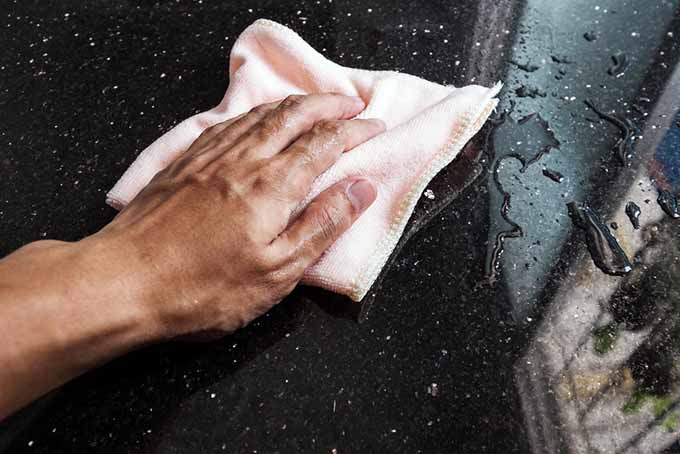
דאָס ווענדט זיך ווי דער טעלער ווערט גענוצט. אויב מעגלעך, רעקאָמענדירן מיר צו רייניקן דעם טעלער ביים אָנהייב פֿונעם טאָג (אָדער אַרבעטס-שיכט) און ווידער ביים סוף. אויב דער טעלער ווערט פֿאַרשומוצט, באַזונדערס מיט אָיליק אָדער קלעפּיק פֿליסיקייטן, זאָל מען עס מסתּמא גלייך רייניקן.
רייניקט די טעלער רעגולער מיט פליסיקייט אדער ZHHIMG וואסערלאזער אויבערפלאך טעלער רייניגער. די אויסוואל פון רייניקונג לייזונגען איז וויכטיג. אויב מען ניצט א פליכטיגן לייזונג (אצעטאן, לאק פארדינער, אלקאהאל, א.א.וו.) וועט די פארדאַמפּונג אפקילן די אויבערפלאך און פארדרייען עס. אין דעם פאל איז נויטיק צו לאזן די טעלער זיך נארמאליזירן פארן ניצן עס, אדער מעסטונג טעותים וועלן פאסירן.
די צייט וואָס עס וועט נעמען פֿאַר דער טעלער זיך צו נאָרמאַליזירן וועט זיך פֿאַרשיידן לויט דער גרייס פֿון דער טעלער, און וויפֿל מען קילט עס אָפּ. אַ שעה זאָל זיין גענוג פֿאַר קלענערע טעלער. צוויי שעה קען מען דאַרפֿן פֿאַר גרעסערע טעלער. אויב מען ניצט אַ וואַסער-באַזירטן רייניגער, וועט מען אויך האָבן אַ ביסל פֿאַרדאַמפּפֿנדיקע קילונג.
די פּלאַטע וועט אויך האַלטן דאָס וואַסער, און דאָס קען פאַראורזאַכן ראָסטן פון מעטאַל טיילן אין קאָנטאַקט מיט דער ייבערפלאַך. עטלעכע רייניגער וועלן אויך לאָזן אַ קלעפּיקע רעשט נאָכדעם ווי זיי טריקענען, וואָס וועט צוציען לופט-שטויב, און טאַקע פאַרגרעסערן טראָגן, אַנשטאָט עס צו פאַרמינערן.
דאָס ווענדט זיך אין די נוצן פון דער פּלאַטע און די סביבה. מיר רעקאָמענדירן אַז אַ נייע פּלאַטע אָדער פּרעציזיע גראַניט אַקסעסאָרי זאָל באַקומען אַ פולשטענדיקע ריקאַליבראַציע אין איין יאָר פון קויפן. אויב די גראַניט ייבערפלאַך פּלאַטע וועט זען שווער נוצן, קען עס זיין ראַטזאַם צו פאַרקירצן דעם אינטערוואַל צו זעקס חדשים. מאָנטלעך דורכקוק פֿאַר איבערחזרן מעסטונג ערראָרס ניצן אַן עלעקטראָנישן וואָג, אָדער ענלעך מיטל וועט ווייַזן קיין אַנטוויקלען טראָגן ספּאַץ און נעמט בלויז אַ ביסל מינוט צו דורכפירן. נאָך די רעזולטאַטן פון דער ערשטער ריקאַליבראַציע זענען באַשטימט, קען די קאַליבראַציע אינטערוואַל ווערן פאַרלענגערט אָדער פאַרקירצט ווי ערלויבט אָדער פארלאנגט דורך דיין ינערלעך קוואַליטעט סיסטעם.
מיר קענען פאָרשלאָגן סערוויס צו העלפֿן איר דורכקוקן און קאַליברירן דיין גראַניט ייבערפלאַך פּלאַטע.

עס זענען עטלעכע מעגלעכע סיבות פֿאַר וועריאַציעס צווישן קאַליבראַציעס:
- די ייבערפלאַך איז געוואַשן געוואָרן מיט אַ הייסער אָדער קאַלטער לייזונג איידער קאַליבראַציע, און מען האָט נישט געגעבן גענוג צייט צו נאָרמאַליזירן
- די פּלאַטע איז נישט ריכטיק געשטיצט
- טעמפּעראַטור ענדערונג
- דראַפטס
- דירעקטע זונשייַן אדער אנדערע שטראַלנדיקע היץ אויף דער ייבערפלאַך פון דער פּלאַטע. זייט זיכער אַז די אויבערפלאַך ליכט הייצט נישט אויף די ייבערפלאַך.
- וועריאציעס אין די ווערטיקאַלע טעמפּעראַטור גראַדיענט צווישן ווינטער און זומער (אויב מעגלעך, וויסן די ווערטיקאַלע גראַדיענט טעמפּעראַטור אין דער צייט ווען די קאַליבראַציע ווערט דורכגעפירט.)
- טעלער נישט געגעבן גענוג צייט צו נאָרמאַליזירן זיך נאָך שיקונג
- אומרעכטע באַניץ פון דורכקוק עקוויפּמענט אָדער באַניץ פון נישט-קאַליברירטע עקוויפּמענט
- יבערפלאַך ענדערונג רעזולטאַט פון טראָגן
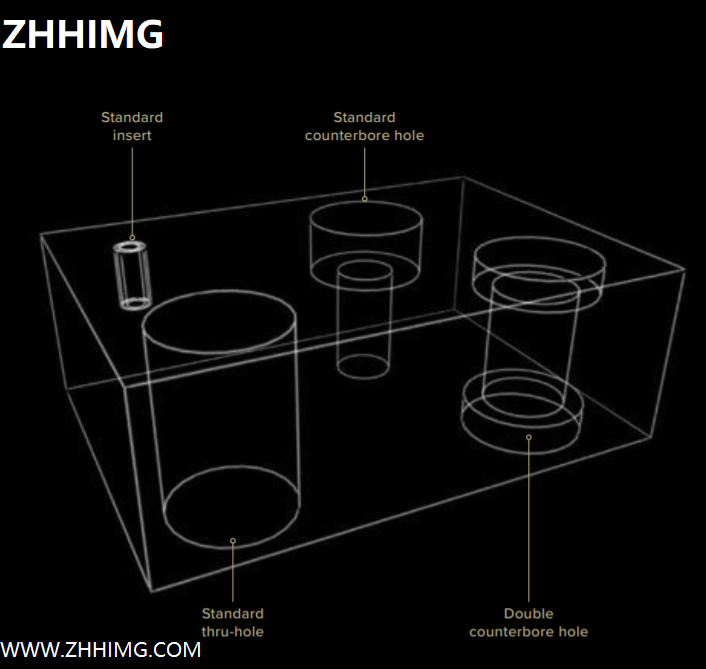
וויפיל סארטן לעכער אויף פּרעציזיע גראַניט?
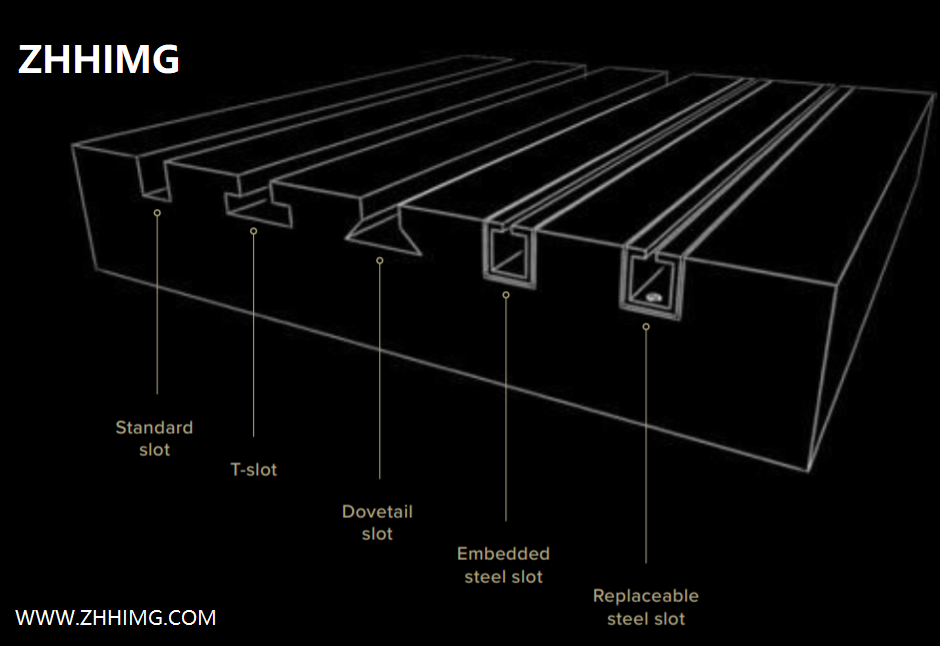
סלאָץ אויף פּרעסיסיאָן גראַניט קאָמפּאָנענטן
פֿאַר פֿיל פֿאַבריקן, דורכקוק צימערן און לאַבאָראַטאָריעס, ווערן פּרעציזיע גראַניט ייבערפלאַך פּלאַטעס פֿאַרלאָזט ווי די באַזע פֿאַר פּינקטלעכע מעסטונגען. ווײַל יעדע לינעאַרע מעסטונג איז אָפּהענגיק פֿון אַ פּינקטלעכער רעפֿערענץ ייבערפלאַך פֿון וועלכער די לעצטע דימענסיעס ווערן גענומען, צושטעלן ייבערפלאַך פּלאַטעס די בעסטע רעפֿערענץ פלאַך פֿאַר אַרבעט דורכקוק און אויסלייג פֿאַר מאַשינינג. זיי זענען אויך ידעאַלע באַזעס פֿאַר מאַכן הייך מעסטונגען און מעסטן ייבערפֿלאַכן. ווײַטער, אַ הויך גראַד פֿון פֿלאַכקייט, סטאַביליטעט, אַלגעמיינע קוואַליטעט און אַרבעט מאַכן זיי אַ גוטע ברירה פֿאַר מאָנטירן סאָפיסטיקירטע מעכאַנישע, עלעקטראָנישע און אָפּטישע מעסטן סיסטעמען. פֿאַר יעדן פֿון די מעסטונג פּראָצעסן, איז עס וויכטיק צו האַלטן די ייבערפלאַך פּלאַטעס קאַליברירט.
איבערחזרן מעסטונגען און פלאַכקייט
ביידע פלאַכקייט און איבערחזרנדיקע מעסטונגען זענען קריטיש צו ענשור אַ פּינקטלעכע ייבערפלאַך. פלאַכקייט קען באַטראַכט ווערן ווי אַלע פונקטן אויף דער ייבערפלאַך וואָס זענען קאַנטיינד אין צוויי פּאַראַלעלע פּלענער, די באַזע פלאַך און די דאַך פלאַך. די מעסטונג פון דיסטאַנס צווישן די פּלענער איז די קוילעלדיק פלאַכקייט פון דער ייבערפלאַך. די פלאַכקייט מעסטונג טראָגט געוויינטלעך אַ טאָלעראַנץ און קען אַרייַננעמען אַ גראַד באַצייכענונג.
די פלאַכקייט טאָלעראַנסעס פֿאַר דריי סטאַנדאַרט גראַדעס זענען דיפיינד אין די פעדעראלע ספּעסיפיקאַציע ווי באַשטימט דורך די פאלגענדע פאָרמולע:
דין סטאַנדאַרט, גיגאבייט סטאַנדאַרט, ASME סטאַנדאַרט, JJS סטאַנדאַרט... פאַרשידענע לענדער מיט פאַרשידענע סטאַנדאַרדן...
מער פרטים וועגן דעם סטאַנדאַרט.
אין צוגאב צו פלאַכקייט, מוז מען זיכער מאַכן אַז די איבערחזרנדיקייט איז זיכער. א איבערחזרנדיקע מעסטונג איז א מעסטונג פון לאָקאַלע פלאַכקייט געביטן. דאָס איז א מעסטונג גענומען ערגעץ אויף דער ייבערפלאַך פון א פּלאַטע וואָס וועט זיך איבערחזרן אין דער באַשטימטער טאָלעראַנץ. קאָנטראָלירן די לאָקאַלע פלאַכקייט צו א ענגערער טאָלעראַנץ ווי די אַלגעמיינע פלאַכקייט גאַראַנטירט א גראַדועלע ענדערונג אין דעם ייבערפלאַך פלאַכקייט פּראָפיל, דערמיט מינימיזירנדיק לאָקאַלע טעותים.
כדי צו זיכער מאכן אז אן אויבערפלאך פלאטע טרעפט ביידע די פלאכקייט און איבערחזרן מעסטונג ספעציפיקאציעס, זאלן פאבריקאנטן פון גראניט אויבערפלאך פלאטן ניצן די פעדעראלע ספעציפיקאציע GGG-P-463c אלס א באזע פאר זייערע ספעציפיקאציעס. דער סטאנדארט באהאנדלט איבערחזרן מעסטונג גענויקייט, מאטעריאל אייגנשאפטן פון אויבערפלאך פלאטע גראניט, אויבערפלאך ענדיגונג, שטיצע פונקט לאקאציע, שטייפקייט, אקצעפטירבארע מעטאדן פון דורכקוק און אינסטאלירונג פון געווינדעטע אינסערטס.
קאָנטראָלירן די אַקיעראַסי פון די פּלאַטע
דורך נאכפאלגן א פאר איינפאכע גיידליינז, זאל אן אינוועסטירונג אין א גראניט אויבערפלאך פלאטע האלטן פאר אסאך יארן. דעפענדינג אויף פלאטע באנוץ, ווארקשאפ סביבה און פארלאנגטע גענויקייט, ווערירט די אָפטקייט פון קאנטראלירן די אויבערפלאך פלאטע גענויקייט. אן אלגעמיינע כלל איז אז א נייע פלאטע זאל באקומען א פולע ריקאליבראציע אינערהאלב איין יאר פון קויפן. אויב די פלאטע ווערט אָפט גענוצט, איז ראטזאם צו פארקירצן דעם אינטערוואַל צו זעקס חדשים.
איידער אַן אויבערפלאַך פּלאַטע איז אָפּגעטראָגן ווייטער ווי די ספּעציפֿיקאַציע פֿאַר אַלגעמיינער גלאַטקייט, וועט עס ווייַזן אָפּגעטראָגענע אָדער כוואַליעדיגע פּאָסטן. מאָנטלעכע דורכקוק פֿאַר איבערחזרנדיקע מעסטונג ערראָרס מיט אַ איבערחזרנדיק לייענען גיידזש וועט ידענטיפֿיצירן אָפּטראָג פֿלעקן. אַ איבערחזרנדיק לייענען גיידזש איז אַ הויך-פּינקטלעך אינסטרומענט וואָס דעטעקטירט לאָקאַלע ערראָרס און קען ווערן געוויזן אויף אַ הויך מאַגניפֿיקאַציע עלעקטראָנישן אַמפּליפֿיאַטאָר.
אן עפעקטיווע דורכקוק פראגראם זאל ארייננעמען רעגעלמעסיגע קאנטראלן מיט אן אויטאקאלימאטאר, וואס גיט אן אקטועלע קאליבראציע פון דער אלגעמיינער פלאכקייט וואס קען נאכגעפאלגט ווערן לויטן נאציאנאלן אינסטיטוט פון סטאנדארטן און טעכנאלאגיע (NIST). א פולשטענדיגע קאליבראציע דורך דעם פאבריקאנט אדער אן אומאפהענגיקע פירמע איז נויטיג פון צייט צו צייט.
וועריאַציעס צווישן קאַליבראַציעס
אין געוויסע פעלער, זענען דא וועריאציעס צווישן אייבערפלאך פלאטע קאליבראציעס. מאנchmal קענען פאקטארן ווי אייבערפלאך ענדערונג רעזולטירנד פון אפנוץ, אומרעכטע באנוץ פון אינספעקציע עקוויפמענט אדער באנוץ פון נישט-קאליברירטע עקוויפמענט זיין פאַראַנטוואָרטלעך פאר די וועריאציעס. די צוויי מערסטע פארשפרייטע פאקטארן, אבער, זענען טעמפעראטור און שטיצע.
איינע פון די וויכטיגסטע וועריאַבלען איז טעמפּעראַטור. למשל, די ייבערפלאַך קען זיין געוואַשן געוואָרן מיט אַ הייסער אָדער קאַלטער לייזונג איידער קאַליבראַציע און נישט געגעבן גענוג צייט צו נאָרמאַליזירן. אַנדערע סיבות פון טעמפּעראַטור ענדערונג אַרייַננעמען דראָטן פון קאַלטער אָדער הייסער לופט, דירעקט זונשייַן, אויבערפלאַך לייטינג אָדער אַנדערע קוואלן פון שטראַלנדיקער היץ אויף דער ייבערפלאַך פון דער פּלאַטע.
עס קענען אויך זיין וועריאציעס אין די ווערטיקאַלע טעמפּעראַטור גראַדיענט צווישן ווינטער און זומער. אין עטלעכע פאַלן, ווערט די פּלאַטע נישט געגעבן גענוג צייט צו נאָרמאַליזירן זיך נאָך דעם טראַנספּאָרט. עס איז אַ גוטע געדאַנק צו רעקאָרדירן די ווערטיקאַלע גראַדיענט טעמפּעראַטור אין דער צייט ווען די קאַליבראַציע ווערט דורכגעפירט.
נאך א געוויינטלעכע אורזאך פאר קאליבראציע וועריאציע איז א פלאטע וואס איז נישט ריכטיג געשטיצט. א פלאטע זאל זיין געשטיצט אין דריי פונקטן, אידעאלערהייט פלאצירט 20% פון די לענג אריין פון די עקן פון דער פלאטע. צוויי שטיצעס זאלן זיין פלאצירט 20% פון די ברייט אריין פון די לאנגע זייטן, און די איבעריגע שטיצעס זאל זיין צענטרירט.
נאָר דריי פּונקטן קענען רוען פעסט אויף אַלץ אַחוץ אַ פּרעציזיע ייבערפלאַך. פּרוּוון צו שטיצן די פּלאַטע אין מער ווי דריי פּונקטן וועט פאַרשאַפן די פּלאַטע צו באַקומען איר שטיצע פון פֿאַרשידענע קאָמבינאַציעס פון דריי פּונקטן, וואָס וועלן נישט זיין די זעלבע דריי פּונקטן אויף וועלכע עס איז געשטיצט געוואָרן בעת פּראָדוקציע. דאָס וועט ברענגען פֿעלער ווען די פּלאַטע בייגט זיך צו פּאַסן צו דער נייער שטיצע אָרדענונג. באַטראַכט צו נוצן שטאָל שטאַנדן מיט שטיצע שטראַלן וואָס זענען דיזיינד צו ליינען זיך מיט די ריכטיקע שטיצע פּונקטן. שטאַנדן פֿאַר דעם צוועק זענען בכלל בנימצא פֿון דעם פאַבריקאַנט פֿון דער ייבערפלאַך פּלאַטע.
אויב די פּלאַטע איז ריכטיק געשטיצט, איז פּינקטלעכע גלייכשטעלונג נאָר נייטיק אויב אַן אַפּליקאַציע ספּעציפֿיצירט עס. גלייכשטעלונג איז נישט נייטיק צו האַלטן די אַקיעראַסי פון אַ ריכטיק געשטיצט פּלאַטע.
פֿאַרלענגערן דעם לעבן פֿון די פּלאַטן
נאכפאלגן א פאר גיידליינז וועט רעדוצירן טראָגן אויף אַ גראַניט ייבערפלאַך פּלאַטע און לעסאָף, פאַרלענגערן זיין לעבן.
ערשטנס, איז וויכטיג צו האַלטן די פּלאַטע ריין. לופט-געטראָגענע אַברייסיוו שטויב איז געוויינטלעך די גרעסטע מקור פון אָפּנוץ אויף אַ פּלאַטע, ווײַל עס טענד צו זיך איינפּאַסן אין די ווערקפּיס און די קאָנטאַקט-פלאַכן פון מעסערס.
עס איז אויך וויכטיג צו דעקן די טעלער צו באשיצן זיי פון שטויב און שאדן. מען קען פארלענגערן די לעבן פון נוצן דורך צודעקן די טעלער ווען זי איז נישט אין באנוץ.
דרייט די פּלאַטע פּעריִאָדיש אַזוי אַז איין געגנט זאָל נישט באַקומען צו פיל נוצן. אויך, איז רעקאָמענדירט צו פאַרבייטן שטאָל קאָנטאַקט פּעדס אויף מעסטערס מיט קאַרבייד פּעדס.
פֿאַרמײַדט צו שטעלן עסן אָדער ווייכע געטראַנקען אויף דעם טעלער. פֿיל ווייכע געטראַנקען אַנטהאַלטן אָדער קוילן- אָדער פֿאָספֿאָר-זויער, וואָס קען אויפֿלעזן די ווייכערע מינעראַלן און לאָזן קליינע קערלעך אין דער ייבערפֿלאַך.
וואו צו צוריקציען
ווען אַ גראַניט פּלאַטע דאַרף ווערן איבערגעמאַכט, באַטראַכט צי צו האָבן דעם סערוויס דורכגעפירט אויף פּלאַץ אָדער אין דער קאַליבראַציע מעכאַניזם. עס איז שטענדיק בעסער צו האָבן די פּלאַטע איבערגעמאַכט אין דער פאַבריק אָדער אין אַ באַזונדער מעכאַניזם. אויב אָבער, די פּלאַטע איז נישט צו שטאַרק אָפּגענוצט, בכלל ין 0.001 אינטש פון דער פארלאנגטער טאָלעראַנץ, קען מען עס איבערמאַכן אויף פּלאַץ. אויב אַ פּלאַטע איז אָפּגענוצט צו דעם פונקט וואו עס איז מער ווי 0.001 אינטש אַרויס פון טאָלעראַנץ, אָדער אויב עס איז שטאַרק געפּיטשט אָדער געקראַצט, זאָל מען עס שיקן אין דער פאַבריק פֿאַר שלייפן איידער מען לייגט עס איבער.
א קאליבראציע פאסיליטעט האט די עקוויפּמענט און פאבריק סעטינגס וואס צושטעלן די אפטימאלע באדינגונגען פאר געהעריגע פלאטן קאליבראציע און איבערארבעט אויב נויטיג.
מען זאָל זיין זייער פֿאָרזיכטיק ביים אויסקלויבן אַן אָרטיקן קאַליבראַציע און ריסורפֿייסינג טעכניקער. בעטן פֿאַר אַקרעדיטאַציע און באַשטעטיקן אַז די עקוויפּמענט וואָס דער טעכניקער וועט נוצן האט אַ שפּורבאַרע קאַליבראַציע. דערפֿאַרונג איז אויך אַ וויכטיקער פֿאַקטאָר, ווײַל עס נעמט פֿיל יאָרן צו לערנען ווי ריכטיק צו לאַפּן פּרעציזיע גראַניט.
קריטישע מעסטונגען הייבן זיך אן מיט א פּרעציזיע גראַניט ייבערפלאַך פּלאַטע ווי אַ באַזעלינע. דורך זיכער מאַכן אַ פאַרלאָזלעכע רעפערענץ דורך ניצן אַ ריכטיק קאַליברירט ייבערפלאַך פּלאַטע, האָבן פאַבריקאַנטן איינער פון די וויכטיקע מכשירים פֿאַר פאַרלאָזלעכע מעסטונגען און בעסער קוואַליטעט טיילן.Q
טשעקליסט פֿאַר קאַליבראַציע וועריאַציעס
1. די ייבערפלאַך איז געוואַשן געוואָרן מיט אַ הייסער אָדער קאַלטער לייזונג איידער קאַליבראַציע און מען האט איר נישט געגעבן גענוג צייט צו נאָרמאַליזירן.
2. די טעלער איז נישט ריכטיק געשטיצט.
3. טעמפּעראַטור ענדערונג.
4. דראַפטס.
5. דירעקטע זונשייַן אדער אנדערע שטראַלנדיקע היץ אויף דער ייבערפלאַך פון דער פּלאַטע. זייט זיכער אַז די אויבערפלאַך ליכט וואַרעמט נישט די ייבערפלאַך.
6. וועריאציעס אין די ווערטיקאַלע טעמפּעראַטור גראַדיענט צווישן ווינטער און זומער. אויב מעגלעך, וויסן די ווערטיקאַלע גראַדיענט טעמפּעראַטור אין דער צייט ווען די קאַליבראַציע ווערט דורכגעפירט.
7. די טעלער האט נישט געהאט גענוג צייט זיך צו נאָרמאַליזירן נאָך דעם טראַנספּאָרט.
8. אומריכטיגע באַניץ פון דורכקוק-עקוויפּמענט אדער באַניץ פון נישט-קאַליברירטע עקוויפּמענט.
9. ענדערונג אין דער אויבערפלאך צוליב אָפּנוץ.
טעק עצות
- ווייל יעדע לינעארע מעסטונג איז אפהענגיק פון א גענויער רעפערענץ-אייבערפלאך פון וועלכער די לעצטע דימענסיעס ווערן גענומען, צושטעלן אויבערפלאך-פלאטן די בעסטע רעפערענץ-פלאך פאר ארבעטס-אינספעקציע און אויסלייג פאר דער מאשינירונג.
- קאָנטראָלירן די לאָקאַלע פלאַכקייט צו אַ ענגערער טאָלעראַנץ ווי די אַלגעמיינע פלאַכקייט גאַראַנטירט אַ גראַדואַלע ענדערונג אין דעם פּראָפיל פון דער ייבערפלאַך פלאַכקייט, דערמיט מינימיזירנדיק לאָקאַלע ערראָרס.
- אן עפעקטיווע דורכקוק פּראָגראַם זאָל אַרייַננעמען רעגולערע קאָנטראָלן מיט אַן אויטאָקאָלימאַטאָר, וואָס גיט די פאַקטישע קאַליבראַציע פון דער אַלגעמיינער פלאַכקייט וואָס קען ווערן צוריקגעפירט צו דער נאַציאָנאַלער דורכקוק אויטאָריטעט.
צווישן די מינעראל טיילכלעך וואס מאכן אויס גראניט, זענען מער ווי 90% פעלדשפאר און קווארץ, פון וועלכע פעלדשפאר איז די מערסטע. דער פעלדשפאר איז אפט ווייס, גרוי, און פלייש-רויט, און דער קווארץ איז מערסטנס קאלירלאז אדער גרוי-ווייס, וואס מאכן אויס די גרונט-קאליר פון גראניט. פעלדשפאר און קווארץ זענען שווערע מינעראלן, און עס איז שווער צו רירן מיט א שטאל מעסער. וואס אנבאלאנגט די טונקעלע פלעקן אין גראניט, הויפטזעכליך שווארצע מיקה, זענען דא נאך עטליכע מינעראלן. כאטש ביאטיט איז רעלאטיוו ווייך, איז זיין פעאיקייט צו קעגנשטעלן דרוק נישט שוואך, און אין דער זעלבער צייט האבן זיי א קליינע מאס אין גראניט, אפט ווייניגער ווי 10%. דאס איז דער מאטעריעל צושטאנד אין וועלכן גראניט איז באזונדערס שטארק.
נאך א סיבה פארוואס גראַניט איז שטאַרק איז ווייל אירע מינעראַל פּאַרטיקלעך זענען פעסט געבונדן צו יעדער אנדערער און זענען איינגעבעטן אין יעדער אנדערער. די פּאָרן מאַכן אָפט אויס ווייניקער ווי 1% פון די גאַנצע באַנד פון די שטיין. דאָס גיט דעם גראַניט די פיייקייט צו וויטשטיין שטאַרקע דרוק און ווערט נישט לייכט דורכגעדרונגען דורך נעץ.
גראַניט קאָמפּאָנענטן זענען געמאַכט פון שטיין אָן קיין ראַסט, זויער און אַלקאַלי קעגנשטעל, גוטע טראָגן קעגנשטעל און לאַנג דינסט לעבן, קיין ספּעציעלע וישאַלט. גראַניט פּרעציזיע קאָמפּאָנענטן זענען מערסטנס געניצט אין די טולינג פון די מאַשינערי אינדוסטריע. דעריבער, זיי זענען גערופן גראַניט פּרעציזיע קאָמפּאָנענטן אָדער גראַניט קאָמפּאָנענטן. די קעראַקטעריסטיקס פון גראַניט פּרעציזיע קאָמפּאָנענטן זענען באַסיקלי די זעלבע ווי יענע פון גראַניט פּלאַטפאָרמעס. הקדמה צו טולינג און מעסטונג פון גראַניט פּרעציזיע קאָמפּאָנענטן: פּרעציזיע מאַשינינג און מיקראָ מאַשינינג טעכנאָלאָגיע זענען וויכטיק אַנטוויקלונג ריכטונגען פון מאַשינערי מאַנופאַקטורינג אינדוסטריע, און זיי זענען געוואָרן אַ וויכטיקער אינדיקאַטאָר צו מעסטן אַ הויך-טעק מדרגה. די אַנטוויקלונג פון קאַטינג-עדזש טעכנאָלאָגיע און די פאַרטיידיקונג אינדוסטריע איז נישט צעשיידלעך פון פּרעציזיע מאַשינינג און מיקראָ-מאַשינינג טעכנאָלאָגיע. גראַניט קאָמפּאָנענטן קענען זיין גלאַט רוק אין די מעסטונג, אָן סטאַגניישאַן. אַרבעט ייבערפלאַך מעסטונג, אַלגעמיינע קראַצן טאָן ניט ווירקן מעסטונג אַקיעראַסי. גראַניט קאָמפּאָנענטן דאַרפֿן צו זיין דיזיינד און געשאפן לויט די באדערפענישן פון די פאָדערונג זייַט.
אַפּליקאַציע פעלד:
ווי מיר אַלע וויסן, מער און מער מאַשינען און ויסריכט קלייבן פּינקטלעכקייט גראַניט קאָמפּאָנענטן.
גראַניט קאָמפּאָנענטן ווערן גענוצט פֿאַר דינאַמישע באַוועגונג, לינעאַר מאָטאָרן, קא-עם-עם, סי-ען-סי, לאַזער מאַשינען...
ברוכים הבאים צו קאָנטאַקטירן אונדז פֿאַר מער אינפֿאָרמאַציע.
גראַניט מעסטונג דעווייסעס און גראַניט מעכאַנישע קאָמפּאָנענטן זענען געמאַכט פון הויך קוואַליטעט דזשינאַן שוואַרץ גראַניט. צוליב זייער הויך פּינקטלעכקייט, לאַנג געדויער, גוט פעסטקייט און קעראָוזשאַן קעגנשטעל, זענען זיי מער און מער געניצט אין פּראָדוקט דורכקוק פון מאָדערנער אינדוסטריע און אזעלכע וויסנשאַפטלעכע געביטן ווי מעכאַנישע עראָ-ספעיס און וויסנשאַפטלעכע פאָרשונגען.
מעלות
צוויי מאָל אַזוי שווער ווי גוס אייַזן;
מינימאַלע ענדערונגען אין גרייס זענען רעכט צו טעמפּעראַטור ענדערונגען;
----פֿרײַ פֿון אויסדריקן, אַזוי עס איז נישטאָ קיין איבעררײַסונג פֿון אַרבעט;
----פֿרײַ פֿון בורען אָדער אַרויסשטעקונגען צוליב דער פֿײַנער קערל סטרוקטור און נישטיקער קלעפּיקײט, וואָס גאַראַנטירט דעם הויכן גראַד פֿון פֿלאַכקײט איבער אַ לאַנגן לעבן און פֿאַראורזאַכט נישט קיין שאָדן צו אַנדערע טיילן אָדער אינסטרומענטן;
----פּראָבלעם-פֿרײַער אָפּעראַציע פֿאַר נוצן מיט מאַגנעטישע מאַטעריאַלן;
----לאַנג לעבן און ראַסט-פֿרייַ, ריזאַלטינג אין נידעריק וישאַלט קאָס.
די פּרעציזיע גראַניט ייבערפלאַך פּלאַטעס זענען פּרעציזיע לעפּט צו אַ הויכן סטאַנדאַרט פון פלאַךקייט צו דערגרייכן אַקיעראַסי און ווערן גענוצט ווי אַ באַזע פֿאַר מאָנטירונג פון סאָפיסטיקירטע מעכאַנישע, עלעקטראָנישע און אָפּטישע מעסטן סיסטעמען.
עטלעכע פון די אייגנארטיגע פֿעיִקייטן פון די גראַניט ייבערפלאַך פּלאַטע:
אייניגקייט אין כאַרדנאַס;
גענוי אונטער לאָוד באדינגונגען;
ווייבריישאַן אַבזאָרבאַנט;
גרינג צו רייניקן;
איינוויקלען קעגנשטעליק;
נידעריק פּאָראָסיטי;
נישט-אַברייסיוו;
נישט-מאַגנעטישע
אַדוואַנטאַגעס פון גראַניט ייבערפלאַך פּלאַטע
ערשטנס, נאָך אַ לאַנגער צייט פון נאַטירלעכער אַלטערונג, ווערט דער שטיין מונדיר, די מינימום קאָעפיציענט, און די אינערלעכע דרוק פאַרשווינדן גאָר, און עס דעפאָרמירט זיך נישט, אַזוי די פּינטלעכקייט איז הויך.
צווייטנס, עס וועט נישט זיין קיין קראַצן, נישט אונטער קאָנסטאַנטע טעמפּעראַטור באדינגונגען, ביי צימער טעמפּעראַטור קען אויך אויפהאלטן די אַקיעראַסי פון טעמפּעראַטור מעסטונג.
דריטנס, נישט מאַגנעטיזאַציע, מעזשערמאַנט קען זיין גלאַט באַוועגונג, קיין קנאַקיק געפיל, נישט אַפעקטאַד דורך נעץ, די פלאַך איז פאַרפעסטיקט.
פיר, די רידזשידאַטי איז גוט, די כאַרדנאַס איז הויך, די אַברייזשאַן קעגנשטעל איז שטאַרק.
פינף, נישט דערשראָקן פון זויער, אַלקאַליין פליסיק יראָוזשאַן, וועט נישט זשאַסט, טאָן ניט האָבן צו פאַרב בוימל, נישט גרינג צו קלעפּיק מיקראָ-שטויב, וישאַלט, גרינג צו וישאַלט, לאַנג דינסט לעבן.
פארוואס קלייבן א גראניט באזע אנשטאט א גוס אייזן מאשין בעט?
1. גראַניט מאַשין באַזע קען האַלטן העכער פּינקטלעכקייט ווי גוס אייַזן מאַשין באַזע. גוס אייַזן מאַשין באַזע איז לייכט אַפעקטאַד דורך טעמפּעראַטור און הומידיטי אָבער גראַניט מאַשין באַזע וועט נישט;
2. מיט דער זעלבער גרייס פון גראַניט מאַשין באַזע און גוס אייַזן באַזע, איז די גראַניט מאַשין באַזע מער קאָסטן-עפעקטיוו ווי גוס אייַזן;
3. ספּעציעלע גראַניט מאַשין באַזע איז גרינגער צו זיין פאַרטיק ווי גוס אייַזן מאַשין באַזע.
גראַניט ייבערפלאַכן פּלאַטעס זענען שליסל אינסטרומענטן אין דורכקוק לאַבאָראַטאָריעס איבערן לאַנד. די קאַליברירטע, גאָר פלאַך ייבערפלאַך פון אַ ייבערפלאַך פּלאַטע אַלאַוז ינספּעקטאָרן צו נוצן זיי ווי אַ באַזע פֿאַר טייל דורכקוקן און ינסטרומענט קאַליבראַציע. אָן די פעסטקייט וואָס ייבערפלאַך פּלאַטעס געבן, פילע פון די ענג טאָלעראַנץ טיילן אין פאַרשידענע טעקנאַלאַדזשיקאַל און מעדיציניש פעלדער וואָלט זיין פיל שווערער, אויב נישט אוממעגלעך, צו פאַבריצירן ריכטיק. פון קורס, צו נוצן אַ גראַניט ייבערפלאַך בלאָק צו קאַליברירן און דורכקוקן אנדערע מאַטעריאַלס און מכשירים, די אַקיעראַסי פון די גראַניט זיך מוזן זיין אַססעססעד. ניצערס קענען קאַליברירן אַ גראַניט ייבערפלאַך פּלאַטע צו ענשור זייַן אַקיעראַסי.
רייניקט די גראַניט ייבערפלאַך פּלאַטע איידער קאַליבראַציע. גיסט אַ קליינע מאָס ייבערפלאַך פּלאַטע רייניגער אויף אַ ריינעם, ווייכן שטאָף און ווישט די ייבערפלאַך פון דעם גראַניט. טריקנט גלייך דעם רייניגער אַוועק פון דער ייבערפלאַך פּלאַטע מיט אַ טרוקענעם שטאָף. לאָזט נישט די רייניקונג פליסיקייט לופט-טריקענען.
שטעלן אַ איבערחזרן מעסטן גיידזש אויף די צענטער פון די גראַניט ייבערפלאַך טעלער.
נול די איבערחזרן מעסטונג מעסטל צו דער ייבערפלאַך פון דער גראַניט פּלאַטע.
באַוועגט דעם מעסטער לאַנגזאַם איבער דער ייבערפלאַך פון דעם גראַניט. באַטראַכט דעם מעסטער'ס אינדיקאַטאָר און רעקאָרדירט די שפּיצן פון יעדע הייך וועריאַציעס ווען איר באַוועגט דעם אינסטרומענט איבער דער פּלאַטע.
פאַרגלייכט די פלאַכקייט וואַריאַציע איבער דער ייבערפלאַך פון דער פּלאַטע מיט די טאָלעראַנסעס פֿאַר דיין ייבערפלאַך פּלאַטע, וואָס ווערייִרט באַזירט אויף דער גרייס פון דער פּלאַטע און די פלאַכקייט גראַד פון די גראַניט. באַראַטן זיך מיט די פעדעראלע ספּעסיפיקאַציע GGG-P-463c (זען רעסורסן) צו באַשטימען אויב דיין פּלאַטע טרעפט די פלאַכקייט רעקווירעמענץ פֿאַר זיין גרייס און גראַד. די וואַריאַציע צווישן דעם העכסטן פּונקט אויף דער פּלאַטע און דעם נידעריגסטן פּונקט אויף דער פּלאַטע איז זיין פלאַכקייט מעסטונג.
קאָנטראָלירט אַז די גרעסטע טיפקייט וואַריאַציעס אויף דער ייבערפלאַך פון דער פּלאַטע פאַלן אין די ריפּיטאַביליטי ספּעסיפיקאַציעס פֿאַר אַ פּלאַטע פון יענער גרייס און גראַד. באַראַטן זיך מיט די פעדעראלע ספּעסיפיקאַציע GGG-P-463c (זען רעסורסן) צו באַשטימען אויב אייער פּלאַטע טרעפט די ריפּיטאַביליטי רעקווייערמענץ פֿאַר איר גרייס. אָפּוואַרפן די ייבערפלאַך פּלאַטע אויב אפילו אַ איין פּונקט פאַרפעלט די ריפּיטאַביליטי רעקווייערמענץ.
הערט אויף צו ניצן אַ גראַניט פּלאַטע וואָס טרעפט נישט די פעדעראלע רעקווייערמענץ. צוריקגעבן די פּלאַטע צום פאַבריקאַנט אָדער צו אַ גראַניט ייבערפלאַך פירמע צו האָבן דעם בלאָק ווידער פּאָלירט לויט די ספּעציפיקאַציעס.
טיפּ
דורכפירן פאָרמעלע קאליבראַציעס לפּחות אַמאָל פּער יאָר, כאָטש גראַניט ייבערפלאַך פּלאַטעס וואָס ווערן שווער באַנוצטע זאָלן זיין קאליברירט אָפטער.
פאָרמעלע, רעקאָרדירבארע קאַליבראַציע אין מאַנופאַקטורינג אָדער דורכקוק סביבות ווערט אָפט דורכגעפירט דורך קוואַליטעט פארזיכערונג אָדער אַן אויסערלעכן קאַליבראַציע סערוויסעס פאַרקויפער, כאָטש ווער עס יז קען נוצן אַ איבערחזרן מעסטן גיידזש צו אינפאָרמעל קאָנטראָלירן אַ ייבערפלאַך פּלאַטע איידער נוצן.
די פריע געשיכטע פון גראַניט ייבערפלאַך פּלאַטעס
פאר דער צווייטער וועלט מלחמה, האבן פאבריקאנטן גענוצט שטאלענע אויבערפלאך פלאטעס פאר דער דימענסיאנעלער דורכקוק פון טיילן. בעת דער צווייטער וועלט מלחמה איז די נויט פאר שטאל שטארק געוואקסן, און א סך שטאלענע אויבערפלאך פלאטעס זענען געווארן צעשמאלצן. מען האט געדארפט אן אויסטויש, און גראַניט איז געווארן דער מאטעריאל פון ברירה צוליב זיינע העכערע מעטראלאגישע אייגנשאפטן.
עטלעכע מעלות פון גראַניט איבער שטאָל זענען געוואָרן קלאָר. גראַניט איז האַרדער, כאָטש מער ברעכיק און אונטערטעניק צו אָפּשפּאַלטן. מען קען איבערשפּאַלן גראַניט צו אַ פיל גרעסערע פלאַכקייט און שנעלער ווי שטאָל. גראַניט האט אויך די געוואונטשענע אייגנשאַפט פון אַ נידעריקער טערמישער יקספּאַנשאַן קאַמפּערד צו שטאָל. ווייטער, אויב אַ שטאָל פּלאַטע האָט געדאַרפט פאַרריכטן, האָט עס געדאַרפט ווערן מיט דער האַנט אָפּגעקראַצט דורך קינסטלער וואָס האָבן אויך אָנגעווענדט זייערע סקילז אין מאַשין געצייַג ריבילדינג.
אלס א זייט-נאטיץ, עטלעכע שטאל-איבערפלאך פלאטעס זענען נאך אין באנוץ היינט.
מעטראָלאָגישע אייגנשאַפטן פון גראַניט פּלאַטעס
גראַניט איז אַ ווולקאַניש שטיין געשאפן דורך וואולקאַנישע אויסברוכן. אין פאַרגלייך, מאַרמאָר איז מעטאַמאָרפאָזירטער קאַלך שטיין. פֿאַר מעטראָלאָגישע נוצן, זאָל דער אויסגעקליבענער גראַניט טרעפן די ספּעציפֿישע רעקווירעמענץ אויסגעשריבן אין דער פעדעראלער ספּעסיפיקאַציע GGG-P-463c, פֿון איצט אָן גערופֿן Fed Specs, און ספּעציפֿיש, טייל 3.1 3.1 צווישן די Fed Specs, זאָל גראַניט זיין אַ פֿײַנע ביז מיטל-קערנדיקע טעקסטור.
גראַניט איז אַ שווער מאַטעריאַל, אָבער זײַן כאַרטקייט ווערייִרט פֿאַר עטלעכע סיבות. אַן ערפֿאַרענער גראַניט פּלאַטע טעכניקער קען אָפּשאַצן די כאַרטקייט לויט זײַן קאָליר, וואָס איז אַן אָנצײַגונג פֿון זײַן קוואַרץ אינהאַלט. גראַניט כאַרטקייט איז אַן אייגנשאַפֿט וואָס ווערט טיילווײַז דעפֿינירט דורך דער מאָס קוואַרץ אינהאַלט און מאַנגל פֿון מיק. די רויטע און ראָזעווע גראַניטן זענען געוויינטלעך די כאַרטסטע, די גרויע זענען מיטעלע כאַרטקייט, און די שוואַרצע זענען די ווייכסטע.
יאנג'ס מאָדולוס פון עלאַסטיסיטי ווערט גענוצט צו אויסדריקן די בייגיקייט אדער אָנווייַזונג פון די כאַרטקייט פון דעם שטיין. ראָזעווע גראַניט איז דורכשניטלעך 3-5 פונקטן אויף דער וואָג, גרוי 5-7 פונקטן און שוואַרצע 7-10 פונקטן. ווי קלענער די נומער, אַלץ האַרדער איז דער גראַניט. ווי גרעסער די נומער, אַלץ ווייכער און מער בייגיק איז דער גראַניט. עס איז וויכטיק צו וויסן די כאַרטקייט פון גראַניט ווען מען קלייבט אַ גרעב וואָס איז פארלאנגט פֿאַר טאָלעראַנץ גראַדעס און די וואָג פון טיילן און גיידזשעס וואָס מען לייגט אויף אים.
אין די אלטע צייטן ווען עס זענען געווען עכטע מאַשיניסטן, באַקאַנט דורך זייערע טריג טאַבלע ביכלעך אין זייערע העמד קעשענעס, איז שוואַרצער גראַניט באַטראַכט געוואָרן ווי "דער בעסטער." דער בעסטער איז דעפינירט געוואָרן ווי דער טיפ וואָס גיט די מערסטע קעגנשטעל צו טראָגן אָדער איז האַרדער. איין חסרון איז אַז די האַרטערע גראַניטן טענד צו גרינגער שפּאַלטן אָדער קלייען זיך. מאַשיניסטן זענען אַזוי איבערצייגט געווען אַז שוואַרצער גראַניט איז דער בעסטער אַז עטלעכע פאַבריקאַנטן פון ראָזעווע גראַניט האָבן זיי געפאַרבט שוואַרץ.
איך האב פערזענליך געזען א טעלער וואס איז אראפגעפאלן פון א גאפל-קליפט ווען מען האט עס אריבערגעפירט פון סטארעדזש. די טעלער האט געטראפן דעם שטאק און זיך צושפאלטן אין צוויי, אנטפלעקנדיג דעם אמת'ן ראזעווען קאליר. זייט פארזיכטיג אויב איר פלאנט צו קויפן שווארצן גראניט פון כינע. מיר רעקאמענדירן אז איר זאלט פארשווענדן אייער געלט אויף אן אנדערן וועג. א גראניט טעלער קען זיין אנדערש אין הארטקייט. א שטיקל קוואַרץ קען זיין פיל הארטערע ווי די איבעריגע טעלער. א שיכט שווארצע גאַבראָ קען מאכן א שטח פיל ווייכער. א גוט טרענירטער, ערפארענער טעכניקער פאר טעלער-רעפאר ווייסט ווי אזוי צו האנדלען מיט די ווייכע שטחים.
ייבערפלאַך פּלאַטע גראַדעס
עס זענען דא פיר גראַדן פון ייבערפלאַך פּלאַטעס. לאַבאָראַטאָריע גראַד AA און A, צימער דורכקוק גראַד B, און די פערטע איז וואָרקשאָפּ גראַד. גראַדן AA און A זענען די פלאַכסטע מיט אַ פלאַכקייט טאָלעראַנס בעסער ווי 0.00001 אינטשעס פֿאַר אַ גראַד AA פּלאַטע. וואָרקשאָפּ גראַדן זענען די מינדסטער פלאַך און ווי דער נאָמען סאַגדזשעסט, זיי זענען בדעה פֿאַר נוצן אין געצייַג רומז. בשעת גראַד AA, גראַד A און גראַד B זענען בדעה פֿאַר נוצן אין אַן דורכקוק אָדער קוואַליטעט קאָנטראָל לאַבאָראַטאָריע.
Pראָפּער טעסטינג פֿאַר ייבערפלאַך פּלאַטע קאַליבראַציע
איך האָב שטענדיק געזאָגט צו מײַנע קאַסטאָמערס אַז איך קען אַרויסנעמען יעדן 10־יאָריקן פֿון מײַן שול און זיי לערנען אין בלויז אַ פּאָר טעג ווי אַזוי צו טעסטן אַ טעלער. עס איז נישט שווער. עס דאַרף יאָ אַ געוויסע טעכניק צו דורכפֿירן די אויפֿגאַבע שנעל, טעכניקן וואָס מען לערנט זיך דורך צײַט און אַ סך איבערחזרן. איך זאָל אײַך מיטטיילן, און איך קען נישט גענוג באַטאָנען, אַז Fed Spec GGG-P-463c איז נישט קיין קאַליבראַציע פּראָצעדור! מער וועגן דעם שפּעטער.
קאליבראציע פון אלגעמיינע פלאכקייט (מיטל פען) און איבערחזרנדיקייט (לאקאליזירטע טראָגן) טשעקס איז א מוז לויט די פעד ספעקס. די איינציגע אויסנאם צו דעם איז מיט קליינע פלאטעס וואו איבערחזרנדיקייט איז נאר פארלאנגט.
אויך, און פּונקט אַזוי קריטיש ווי די אַנדערע טעסטן, איז דער טעסט פֿאַר טערמישע גראַדיענטן. (זעט דעלטאַ טי אונטן)
פיגור 1
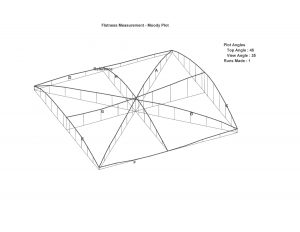
פלאַכקייט טעסטינג האט 4 באשטעטיגטע מעטאָדן. עלעקטראָנישע לעוועלס, אויטאָקאָלימאַציע, לאַזער און אַ מיטל באַקאַנט ווי אַ פלאַך לאָקאַטאָר. מיר נוצן בלויז עלעקטראָנישע לעוועלס ווייַל זיי זענען די מערסט פּינקטלעך און שנעלסטע מעטאָד פֿאַר עטלעכע סיבות.
לאַזערס און אויטאָקאָלימאַטאָרס ניצן אַ זייער גלייכן שטראַל פון ליכט ווי אַ רעפערענץ. מען מאַכט אַ גלייכקייט מעסטונג פון אַ גראַניט ייבערפלאַך פּלאַטע דורך פאַרגלייַכן די וועריאַציע אין דיסטאַנס צווישן די ייבערפלאַך פּלאַטע און די ליכט שטראַל. דורך נעמען אַ גלייכן שטראַל פון ליכט, שלאָגן עס אויף אַ רעפלעקטאָר ציל בשעת מאָווינג די רעפלעקטאָר ציל אַראָפּ די ייבערפלאַך פּלאַטע, די דיסטאַנס צווישן די ימיטיד שטראַל און די צוריקקער שטראַל איז אַ גלייכקייט מעסטונג.
דאָ איז די פּראָבלעם מיט דעם מעטאָד. די ציל און די מקור ווערן באַאיינפלוסט דורך וויבראַציע, אַמביאַנט טעמפּעראַטור, אַ נישט גלאַט אָדער צעקראַצט ציל, קאַנטאַמאַניישאַן אין דער לופט, און לופט באַוועגונג (שטראָמען). אַלע די ביישטייערן צו נאָך קאָמפּאָנענטן פון טעות. דערצו, דער ביישטייער פון אָפּעראַטאָר טעות פון טשעקס מיט אַן אויטאָקאָלימאַטאָר איז גרעסער.
אן ערפארענער אויטאקאלימאטאר באניצער קען מאכן זייער גענויע מעסטונגען אבער ער האט נאך אלץ פראבלעמען מיט די קאנסיסטענץ פון די לייענונגען, ספעציעל איבער לענגערע דיסטאנצן, ווייל די רעפלעקציעס טענדן צו פארברייטערן זיך אדער ווערן אביסל פארשוואומען. אויך, א נישט גאנץ פלאכע ציל און א לאנגער טאג פון קוקן דורך די לינז פראדוצירט צוגעלייגטע ערראָרס.
א פלאַך לאָקאַטאָר מיטל איז פשוט נאַריש. דאָס מיטל ניצט אַ עפּעס גלייכע (אין פאַרגלייך מיט אַן עקסטרעם גלייכע קאָלימאַטירטע אָדער לאַזער שטראַל פון ליכט) ווי זיין רעפערענץ. ניט נאָר ניצט די מעכאַנישע מיטל אַן אינדיקאַטאָר וואָס איז נאָרמאַלערווייַז בלויז 20 יו אינטש רעזאָלוציע, נאָר די נישט-גלייכקייט פון דער שטאַנג און די אַנדערע מאַטעריאַלן לייגן באַדייטנד צו צו טעותים אין מעסטונג. אין אונדזער מיינונג, כאָטש די מעטאָדע איז פּאַסיק, קיין קאָמפּעטענט לאַבאָראַטאָריע וואָלט קיינמאָל נישט ניצן אַ פלאַך לאָקאַטאָר מיטל ווי אַ לעצט דורכקוק אינסטרומענט.
עלעקטראָנישע לעוועלס ניצן גראַוויטאַציע ווי זייער רעפֿערענץ. דיפערענציעלע עלעקטראָנישע לעוועלס ווערן נישט אַפעקטירט דורך ווייבריישאַן. זיי האָבן אַ רעזאָלוציע אַזוי נידעריק ווי .1 אַרק סעקונדע און מעסטונגען זענען שנעל, פּינקטלעך און עס איז זייער קליין ביישטייער פון טעות פון אַן יקספּיריאַנסט אָפּעראַטאָר. ניט פּלאַנע לאָקאַטאָרס און ניט אַוטאָקאָלימאַטאָרס צושטעלן קאָמפּיוטער-דזשענערייטאַד טאָפּאָגראַפֿיש (פיגור 1) אָדער יסאָמעטריק פּלאָץ (פיגור 2) פון דער ייבערפלאַך.
פיגור 2
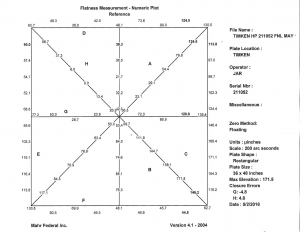
א געהעריגע פלאַכקייט פון דער ייבערפלאַך טעסט
א ריכטיגע פלאַכקייט פון דער ייבערפלאַך טעסט איז אַזאַ וויכטיקער טייל פון דעם פּאַפּיר אַז איך וואָלט עס געדאַרפט שטעלן אין אָנהייב. ווי פריער געזאָגט, פעד ספּעק. GGG-p-463c איז נישט קיין קאַליבראַציע מעטאָד. עס דינט ווי אַ גייד פֿאַר פילע אַספּעקטן פון מעטראָלאָגיע גראַד גראַניט וועמענס בדעה קויפער איז קיין פעדעראלע רעגירונג אַגענטור, און דאָס כולל די מעטאָדן פון טעסטינג און טאָלעראַנסעס אָדער גראַדעס. אויב אַ קאָנטראַקטאָר באַהויפּטעט אַז זיי האָבן זיך געהאַלטן צו פעד ספּעקס, דאַן זאָל די פלאַכקייט ווערט באַשטימט ווערן דורך די מודי מעטאָד.
מודי איז געווען אַ בחור פֿון די 50ער יאָרן וואָס האָט אויסגעטראַכט אַ מאַטעמאַטישע מעטאָדע צו באַשטימען די אַלגעמיינע פֿלאַכקייט און רעכענען זיך מיט דער אָריענטאַציע פֿון די געטעסטע ליניעס, צי זיי זענען גענוג נאָענט אין דער זעלבער פֿלאַך. גאָרנישט האָט זיך געביטן. אַלייד סיגנאַל האָט פּרובירט צו פֿאַרבעסערן די מאַטעמאַטישע מעטאָדע אָבער האָט געפֿונען אַז די אונטערשיידן זענען אַזוי קליין אַז עס איז נישט געווען ווערט די מי.
אויב אַ קאָנטראַקטאָר פֿון אַ ייבערפֿלאַך־פּלאַטע ניצט עלעקטראָנישע וואַסער־וואָגן אָדער אַ לאַזער, ניצט ער אַ קאָמפּיוטער צו העלפֿן אים מיט די חשבונות. אָן קאָמפּיוטער־הילף מוז דער טעכניקער, וואָס ניצט אויטאָקאָלימאַציע, רעכענען די מעסטונגען מיט דער האַנט. אין דער ווירקלעכקייט טוען זיי דאָס נישט. עס נעמט צו לאַנג און, צו זײַן ערלעך, קען זײַן צו שווער. אין אַ פֿלאַכקייט־טעסט מיטן Moody מעטאָד, טעסט דער טעכניקער אַכט ליניעס אין אַ Union Jack קאָנפֿיגוראַציע פֿאַר גלייכקייט.
די מודי מעטאד
די מודי מעטאד איז א מאטעמאטישער וועג צו באשטימען צי די אכט ליניעס זענען אויף דער זעלבער פלאך. אנדערש, האט איר נאר אכט גלייכע ליניעס וואס קענען זיין אויף אדער נאנט צו דער זעלבער פלאך. ווייטער, א קאנטראקטאר וואס באהויפטעט צו האלטן זיך צו די פעד ספעק, און ניצט אויטאקאלימאציע, ער...מוזשאַפֿן אַכט בלעטער דאַטן. איין בלאַט פֿאַר יעדער ליניע וואָס מען קאָנטראָלירט צו באַווייַזן זיין טעסטינג, רעפּאַראַציע, צי ביידע. אַנדערש, האָט דער קאָנטראַקטאָר קיין אַנונג וואָס די עכטע ווערט פֿון פלאַכקייט איז.
איך בין זיכער אז אויב איר זענט איינער פון די וואָס לאָזן קאַליברירן אייערע פּלאַטעס דורך אַ קאָנטראַקטאָר ניצנדיק אויטאָקאָלימאַציע, האָט איר קיינמאָל נישט געזען די בלעטער! פיגור 3 איז אַ בייַשפּיל פוןנאָר איינסא בלאַט פון אַכט איז נייטיק צו רעכענען די אַלגעמיינע פלאַכקייט. איין סימן פון יענער אומוויסנדיקייט און בייזוויליקייט איז אויב אייער באַריכט האט שיינע קייַלעכיקע נומערן. למשל, 200, 400, 650, אאז"וו. א ריכטיק אויסגערעכנט ווערט איז א רעאַלע נומער. למשל 325.4 יו אין. ווען דער קאָנטראַקטאָר ניצט די Moody מעטאָד פון קאַלקולאַציעס, און דער טעכניקער רעכנט די ווערטן מאַנועל, זאָלט איר באַקומען אַכט בלעטער פון קאַלקולאַציעס און אַן איזאָמעטרישער פּלאַנעווען. דער איזאָמעטרישער פּלאַנעווען ווייזט די ווערייִרנדיקע הייכן אויף די פֿאַרשידענע ליניעס און וויפיל דיסטאַנץ טיילט די אויסגעקליבענע דורכשניטלעכע פונקטן.
פיגור 3(עס נעמט אכט בלעטער ווי דאס צו רעכענען די פלאכקייט מאנועל. זייט זיכער צו פרעגן פארוואס איר באקומט דאס נישט אויב אייער קאנטראקטאר ניצט אויטאקאלימאציע!)
פיגור 4
דימענסיאָנעלע גיידזש טעכניקער נוצן דיפערענציעלע לעוועלס (פיגור 4) ווי בילכער דעוויסעס צו מעסטן די מינוט ענדערונגען אין ווינקלקייט פון מעסטונג סטאנציע צו סטאנציע. די לעוועלס האָבן אַ רעזאָלוציע אַראָפּ צו .1 אַרק סעקונדעס (5 u אינטשעס ניצן 4″ שלעפּן) זענען גאָר סטאַביל, זענען נישט אַפעקטאַד דורך ווייבריישאַן, דיסטאַנסאַז געמאָסטן, לופט שטראָמען, אָפּעראַטאָר מידקייט, לופט קאַנטאַמאַניישאַן אָדער קיין פון די פּראָבלעמען וואָס זענען איינגעבוירן אין אנדערע דעוויסעס. לייגט צו קאָמפּיוטער הילף, און די אַרבעט ווערט לעפיערעך שנעל, דזשענערייטינג טאָפּאָגראַפֿיש און יסאָמעטריק פּלאָץ וואָס באַווייַזן די וועראַפאַקיישאַן און רובֿ וויכטיק די רעפּאַר.
א געהעריגע איבערחזרנדיקייט טעסט
איבערחזרן לייענען אדער איבערחזרן-פעאיקייט איז די וויכטיגסטע טעסט. די עקוויפּמענט וואָס מיר נוצן צו דורכפירן די איבערחזרן-פעאיקייט טעסט איז א איבערחזרן לייענען פיקסטשער, אן LVDT און אן אמפליפייער וואָס איז נייטיק פֿאַר הויך-רעזאָלוציע לייענונגען. מיר שטעלן דעם LVDT אמפליפייער צו א מינימום רעזאָלוציע פון 10 u אינטשעס אדער 5 u אינטשעס פֿאַר הויך-גענויקייט פּלאַטעס.
ניצן אַ מעכאַנישן אינדיקאַטאָר מיט אַ רעזאָלוציע פֿון בלויז 20 אונקלעס איז ווערטלאָז אויב איר פּרוּווט צו פּרובירן אַ ריפּיטאַביליטי רעקווייערמענט פֿון 35 אונקלעס. אינדיקאַטאָרן האָבן אַ 40 אונקלעס אומזיכערקייט! די ריפּיט לייענען סעטאַפּ נאָכמאַכט אַ הייך מעסטער/טייל קאָנפיגוראַציע.
איבערחזרבאַרקייט איז נישט די זעלבע ווי אַלגעמיינע פלאַכקייט (מיטל-פּלאַן). איך וויל טראַכטן וועגן איבערחזרבאַרקייט אין גראַניט ווי אַ קאָנסיסטענט ראַדיוס מעסטונג.
פיגור 5
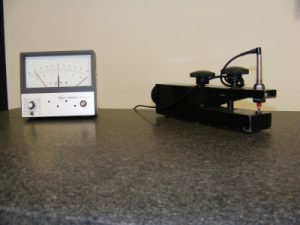
אויב איר טעסט די איבערחזרבאַרקייט פון אַ קיילעכדיקן באַל, דאַן האָט איר דעמאָנסטרירט אַז דער ראַדיוס פון דעם באַל האָט זיך נישט געביטן. (דער אידעאַלער פּראָפיל פון אַ ריכטיק רעפּאַרירטער פּלאַטע האָט אַ קאָנוועקסע קרוינטע פֿאָרעם.) אָבער, עס איז קלאָר אַז דער באַל איז נישט פלאַך. נו, אַזוי צו זאָגן. אויף אַן עקסטרעם קורצער דיסטאַנץ איז ער פלאַך. זינט די מערהייט פון דורכקוק אַרבעט באַשטייט פון אַ הייך מעסטער זייער נאָענט צום טייל, ווערט איבערחזרבאַרקייט די מערסט קריטישע אייגנשאַפט פון אַ גראַניט פּלאַטע. עס איז וויכטיקער ווי די אַלגעמיינע פלאַכקייט, סיידן אַ באַניצער קאָנטראָלירט די גלייכקייט פון אַ לאַנגן טייל.
זייט זיכער אז אייער קאנטראקטאר זאל דורכפירן א ווידערהאלטענע לייענונג טעסט. א טעלער קען האבן א ווידערהאלטענע לייענונג באדייטנד ארויס פון טאלעראנץ אבער נאך אלץ דורכגיין א פלאכקייט טעסט! וואונדערליך קען א לאבאראטאריע באקומען אקקרעדיטאציע אין טעסטן וואס שליסט נישט איין א ווידערהאלטענע לייענונג טעסט. א לאבאראטאריע וואס קען נישט פאררעכטן אדער איז נישט זייער גוט אין פאררעכטן בעפארצוגט צו דורכפירן נאר פלאכקייט טעסטן. פלאכקייט ענדערט זיך זעלטן אחוץ אויב איר באוועגט די טעלער.
איבערחזרן לייענען טעסטינג איז די גרינגסטע צו פּרובירן אָבער די שווערסטע צו דערגרייכן ביים לעפּינג. מאַכט זיכער אַז אייער קאָנטראַקטאָר קען צוריקשטעלן איבערחזרנדיקייט אָן "פאַרשוואַרצן" די ייבערפלאַך אָדער לאָזן כוואַליעס אין דער ייבערפלאַך.
דעלטאַ טי טעסט
די טעסט באשטייט פון מעסטן די פאקטישע טעמפעראטור פון דעם שטיין אויף זיין אויבערשטער ייבערפלאך און זיין אונטערשטער ייבערפלאך און אויסרעכענען דעם חילוק, דעלטא ט, פארן באריכטן אויפן סערטיפיקאט.
עס איז וויכטיג צו וויסן אז דער דורכשניטלעכער קאעפיציענט פון טערמישער אויסברייטונג אין גראַניט איז 3.5 uIn/Inch/grad. די ווירקונג פון אמביאנט טעמפעראטורן און הומידיטי אויף א גראַניט פּלאַטע איז מינימאַל. אָבער, א ייבערפלאַך פּלאַטע קען אַרויסגיין פון טאָלעראַנץ אָדער מאל פֿאַרבעסערן אפילו אויב אין אַ .3 – .5 גראַד F דעלטאַ T. עס איז נייטיק צו וויסן אויב די דעלטאַ T איז אין .12 גראַד F פון וואו דער דיפערענציאַל פון די לעצטע קאַליבראַציע.
עס איז אויך וויכטיג צו וויסן אז א פלאטע'ס ארבעטס-איבערפלאך מיגרירט צו היץ. אויב די אויבערשטע טעמפעראטור איז ווארעמער ווי די אונטערשטע, דאן הייבט זיך די אויבערשטע אויבערפלאך. אויב די אונטערשטע איז ווארעמער, וואס איז זעלטן, דאן זינקט די אויבערשטע אויבערפלאך. עס איז נישט גענוג פאר א קוואליטעט מענעדזשער אדער טעכניקער צו וויסן אז די פלאטע איז גלאט און איבערחזרבאר ביים צייט פון קאליבראציע אדער רעפאר, נאר וואס איר דעלטא טי איז געווען ביים צייט פון די לעצטע קאליבראציע טעסט. אין קריטישע סיטואציעס קען א באניצער, דורך מעסטן די דעלטא טי אליין, באשטימען צי א פלאטע איז ארויס פון טאלעראנץ נאר צוליב דעלטא טי וועריאציעס. צומ גליק, נעמט גראַניט אסאך שעה אדער אפילו טעג צו זיך צוגעוואוינען צו א סביבה. קליינע פלוקטואציעס אין אמביענט טעמפעראטור איבערן טאג וועלן עס נישט אפעקטירן. צוליב די סיבות, באריכטן מיר נישט אמביענט קאליבראציע טעמפעראטור אדער הומידיטי ווייל די אפעקטן זענען מינימאל.
גראַניט פּלאַטע טראָגן
כאָטש גראַניט איז האַרדער ווי שטאָל פּלאַטעס, אַנטוויקלט גראַניט נאָך אַלץ נידעריקע פלעקן אויף דער ייבערפלאַך. איבערחזרנדיקע באַוועגונג פון טיילן און מעסטערס אויף דער ייבערפלאַך פּלאַטע איז די גרעסטע מקור פון אָפּנוץ, ספּעציעל אויב דער זעלביקער געגנט איז קעסיידער אין באַנוץ. שמוץ און שלייפן שטויב וואָס בלייבט אויף אַ פּלאַטע'ס ייבערפלאַך באַשנעלערן דעם אָפּנוץ פּראָצעס ווען עס קומט צווישן טיילן אָדער מעסטערס און די גראַניט ייבערפלאַך. ווען מען באַוועגט טיילן און מעסטערס אַריבער זיין ייבערפלאַך, איז אַברייסיוו שטויב געוויינטלעך די סיבה פון נאָך אָפּנוץ. איך רעקאָמענדיר שטאַרק קעסיידערדיק רייניקונג צו רעדוצירן אָפּנוץ. מיר האָבן געזען אָפּנוץ אויף פּלאַטעס געפֿירט דורך טעגלעכע UPS פּעקל דעליוועריז געשטעלט אויף שפּיץ פון פּלאַטעס! יענע לאָקאַליזירטע געביטן פון אָפּנוץ ווירקן די קאַליבראַציע איבערחזרנדיק טעסט לייענונגען. פֿאַרמייַדן אָפּנוץ דורך רעגולער רייניקונג.
גראַניט פּלאַטע רייניקונג
כדי צו האַלטן דעם טעלער ריין, ניצט אַ קלעפּיקן שטאָף צו אַראָפּנעמען שמוץ. דריקט נאָר זייער לייכט, אַזוי איר לאָזט נישט איבער קיין קליי רעשטלעך. אַ גוט גענוצטער קלעפּיקער שטאָף טוט אַן אויסגעצייכנטע אַרבעט פון אויפהייבן שלייפן שטויב צווישן רייניקונגען. אַרבעט נישט אין דער זעלבער אָרט. ריקט אייער סעטאַפּ אַרום דעם טעלער, און פאַרשפּרייט די אָפּנוץ. עס איז אָקיי צו ניצן אַלקאָהאָל צו רייניקן אַ טעלער, אָבער זייט אַווער אַז דאָס וועט צייטווייליק גאָר אָפּקילן די ייבערפלאַך. וואַסער מיט אַ קליין סומע זייף איז אויסגעצייכנט. די קאמערציעל בנימצא רייניקונגס ווי סטאַרעט'ס רייניקונגס זענען אויך אויסגעצייכנט צו ניצן, אָבער מאַכט זיכער אַז איר נעמט אַלע זייף רעשטלעך אַראָפּ פון דער ייבערפלאַך.
גראַניט פּלאַטע רעפּאַר
עס זאָל שוין זײַן קלאָר ווי וויכטיק עס איז צו מאַכן זיכער אַז אײַער ייבערפלאַך פּלאַטע קאָנטראַקטאָר פֿירט אויס אַ קאָמפּעטענטע קאַליבראַציע. די "קלירינג הויז" טיפּ לאַבאָראַטאָריעס וואָס אָפֿערן "טאָן עס אַלץ מיט איין רוף" פּראָגראַמען האָבן זעלטן אַ טעכניקער וואָס קען טאָן ריפּערז. אפילו אויב זיי אָפֿערן יאָ ריפּערז, האָבן זיי נישט שטענדיק אַ טעכניקער וואָס האָט די נויטיקע דערפֿאַרונג ווען די ייבערפלאַך פּלאַטע איז באַדײַטנד אַרויס פֿון טאָלעראַנץ.
אויב מען זאָגט אייך אַז אַ פּלאַטע קען נישט זיין ריפּעראַבאַל צוליב עקסטרעמע אָפּנוץ, רופט אונדז אָן. ס'איז זייער מסתּמא אַז מיר וועלן קענען מאַכן די ריפּער.
אונדזערע טעכניקער אַרבעטן איין ביז אַנדערטהאַלבן יאָר לערנען אונטער אַ מײַסטער סורפֿאַס פּלאַטע טעכניקער. מיר דעפֿינירן אַ מײַסטער סורפֿאַס פּלאַטע טעכניקער ווי איינער וואָס האָט פֿאַרענדיקט זײַן לערנען און האָט איבער צען נאָך יאָר דערפֿאַרונג אין סורפֿאַס פּלאַטע קאַליבראַציע און רעפּאַראַטור. מיר בײַ דימענשאַנאַל גאָוגע האָבן דרײַ מײַסטער טעכניקער אויף שטאַב מיט איבער 60 יאָר דערפֿאַרונג צוזאַמען. איינער פֿון אונדזערע מײַסטער טעכניקער איז פֿאַראַן צו יעדער צײַט פֿאַר שטיצע און גיידאַנס ווען שווערע סיטואַציעס ענטשטייען. אַלע אונדזערע טעכניקער האָבן דערפֿאַרונג אין סורפֿאַס פּלאַטע קאַליבראַציעס פֿון אַלע גרייסן, פֿון קליין ביז זייער גרויס, פֿאַרשידענע סביבה באַדינגונגען, פֿאַרשידענע אינדוסטריעס, און אין הויפּט טראָגן פּראָבלעמען.
פעד ספעקס האבן א ספעציפישע ענדיגונג רעקווייערמענט פון 16 ביז 64 דורכשניטלעכע אריטמעטישע ראפקייט (AA). מיר בעפארצוגן א ענדיגונג אין די קייט פון 30-35 AA. עס איז דא גענוג ראפקייט צו זיכער מאכן אז טיילן און גיידזשעס באוועגן זיך גלאט און קלעבן זיך נישט אדער דריקן זיך צו דער אויבערפלאך טעלער.
ווען מיר פאררעכטן, קאנטראלירן מיר די פלאטע פאר ריכטיגע באפעסטיגונג און גלייכקייט. מיר ניצן א טרוקענע לעפּינג מעטאד, אבער אין פעלער פון עקסטרעמע אפנוץ וואס פארלאנגט א באדייטנדע גראניט באזייטיגונג, לעפּינג מיר מיט א נאַסן לעפּינג מעטאד. אונזערע טעכניקער רייניגן אויף נאך זיך, זיי זענען גרינטלעך, שנעל און גענוי. דאס איז וויכטיג ווייל די קאסטן פון גראניט פלאטע סערוויס נעמט אריין אייער דאון-טיים און פארלוירענע פראדוקציע. א קאמפעטענטע פאררעכטונג איז פון העכסטער וויכטיקייט, און איר זאלט קיינמאל נישט אויסקלויבן א קאנטראקטאר לויט פרייז אדער באקוועמליכקייט. געוויסע קאליבראציע ארבעט פארלאנגט גוט טרענירטע מענטשן. דאס האבן מיר.
לעצטע קאַליבראַציע באַריכטן
פֿאַר יעדער אויבערפלאַך פּלאַטע רעפּאַראַטור און קאַליבראַציע, מיר צושטעלן דעטאַלירטע פאַכמאַן ריפּאָרץ. אונדזער ריפּאָרץ אַנטהאַלטן אַ באַטייטיק סומע פון ביידע קריטיש און באַטייַטיק אינפֿאָרמאַציע. פעד ספּעק. ריקווייערז רובֿ פון די אינפֿאָרמאַציע וואָס מיר האָבן צוגעשטעלט. אַחוץ די וואָס זענען קאַנטיינד אין אנדערע קוואַליטעט סטאַנדאַרדס אַזאַ ווי ISO/IEC-17025, די מינימום פעד ספּעקס פֿאַר ריפּאָרץ זענען:
- גרייס אין פֿוס (X' x X')
- קאָליר
- סטיל (באַציט זיך צו קיין קלאַמער לעדזשעס אָדער צוויי אָדער פיר לעדזשעס)
- געשאצטע מאָדולוס פון עלאַסטיסיטי
- דורכשניטלעכע פלאַך טאָלעראַנץ (באַשטימט דורך גראַד/גרייס)
- איבערחזרן לייענען טאָלעראַנץ (באַשטימט דורך דיאַגאָנאַל לענג אין אינטשעס)
- מיטל־פלאַך ווי געפֿונען
- מיטל־פלאַך ווי לינקס
- איבערחזרן לייענען ווי געפונען
- איבערחזרן לייענען ווי לינקס
- דעלטאַ ט (טעמפּעראַטור אונטערשייד צווישן אויבערשטע און אונטערשטע סערפאַסיז)
אויב דער טעכניקער דאַרף דורכפירן לעפּינג אָדער רעפּאַראַטור אַרבעט צו דער ייבערפלאַך פּלאַטע, דאַן ווערט דער קאַליבראַציע סערטיפיקאַט באַגלייט מיט אַ טאָפּאָגראַפֿיש אָדער איזאָמעטריש פּלאַנעווען צו באַווייַזן אַ גילטיקע רעפּאַראַטור.
א וואָרט וועגן ISO/IEC-17025 אַקרעדיטאַציעס און די לאַבאָראַטאָריעס וואָס האָבן זיי
נאָר ווײַל אַ לאַבאָראַטאָריע האָט אַקרעדיטאַציע אין קאַליבראַציע פֿון ייבערפֿלאַך־פּלאַטעס מיינט דאָס נישט אַז זיי ווייסן וואָס זיי טוען, און זיכער נישט אַז זיי טוען עס ריכטיק! דאָס מיינט אויך נישט אַז די לאַבאָראַטאָריע קען פאַרריכטן. די אַקרעדיטאַציע־קערפּערשאַפֿטן מאַכן נישט קיין אונטערשייד צווישן וועריפֿיקאַציע אָדער קאַליבראַציע (רעפּאַראַטור).Aאון איך ווייס פון איינעם, אפשר2אַקרעדיטאַציע גופים וואָס וועלןLבונדAאַ בענדל אַרום מײַן הונט אויב איך האָב זיי באַצאָלט גענוג געלט! דאָס איז אַ טרויעריקער פאַקט. איך האָב געזען לאַבאָראַטאָריעס באַקומען אַקרעדיטאַציע דורך דורכפירן בלויז איינעם פֿון די דרײַ טעסטן וואָס זענען נויטיק. דערצו, האָב איך געזען לאַבאָראַטאָריעס באַקומען אַקרעדיטאַציע מיט אומריאַליסטישע אומזיכערהייטן און ווערן אַקרעדיטירט אָן קיין באַווײַז אָדער דעמאָנסטראַציע ווי זיי האָבן אויסגערעכנט די ווערטן. דאָס איז אַלץ אומגליקלעך.
סומאַציע
מען קען נישט אונטערשאַצן די ראָלע פֿון פּרעציזיע גראַניט פּלאַטעס. די פֿלאַכע רעפֿערענץ וואָס גראַניט פּלאַטעס צושטעלן איז די יסוד אויף וועלכער מען מאַכט אַלע אַנדערע מעסטונגען.
איר קענט נוצן די מערסט מאָדערנע, מערסט פּינקטלעכע און מערסט ווערסאַטאַל מעסטונג אינסטרומענטן. אָבער, פּינקטלעכע מעסטונגען זענען שווער צו באַשטימען אויב די רעפערענץ ייבערפלאַך איז נישט פלאַך. איין מאָל, האָט מיר אַ פּאָטענציעל קונה געזאָגט "נו, עס איז נאָר שטיין!" מיין ענטפער, "אקעי, איר זענט גערעכט, און איר קענט זיכער נישט רעכטפארטיקן אַז עקספּערטן זאָלן קומען צו וישאַלטן אייערע ייבערפלאַך פּלאַטעס."
פרייז איז קיינמאָל נישט קיין גוטע סיבה צו קלייבן קאָנטראַקטאָרן פֿאַר ייבערפלאַך־פּלאַטעס. קויפער, אַקאַונטאַנץ און אַ שטערנדיקע צאָל קוואַליטעט־אינזשענירן פֿאַרשטייען נישט שטענדיק אַז ווידער־סערטיפֿיצירן גראַניט־פּלאַטעס איז נישט ווי ווידער־סערטיפֿיצירן אַ מיקראָמעטער, קאַליפּער אָדער אַ DMM.
געוויסע אינסטרומענטן פארלאנגען עקספּערטיז, נישט א נידעריקן פרייז. נאכדעם וואס מיר האבן דאס געזאגט, זענען אונזערע פרייזן זייער גלייכבאר. ספעציעל כדי צו האבן בטחון אז מיר פירן אויס די ארבעט ריכטיג. מיר גייען ווייט איבער די ISO-17025 און פעדעראלע ספעציפיקאציעס רעקווייערמענטס אין צוגעלייגטן ווערט.
ייבערפלאַך פּלאַטעס זענען די יסוד פֿאַר פילע דימענסיאָנעלע מעסטונגען, און ריכטיק זאָרגן פֿאַר דיין ייבערפלאַך פּלאַטע איז נייטיק צו ענשור מעסטונג אַקיעראַסי.
גראַניט איז דער מערסט פּאָפּולערער מאַטעריאַל געניצט פֿאַר ייבערפלאַך פּלאַטעס צוליב זייַנע ידעאַלע גשמיות קעראַקטעריסטיקס, אַזאַ ווי ייבערפלאַך כאַרדנאַס און נידעריק סענסיטיוויטי צו טעמפּעראַטור פלוקטואַציעס. אָבער, מיט קאַנטיניואַס נוצן, ייבערפלאַך פּלאַטעס טאָן דערפאַרן טראָגן.
פלאַכקייט און איבערחזרנדיקייט זענען ביידע קריטישע אַספּעקטן צו באַשטימען צי אַ פּלאַטע גיט אַ פּינקטלעכע ייבערפלאַך צו באַקומען פּינקטלעכע מעסטונגען. די טאָלעראַנסעס פֿאַר ביידע אַספּעקטן זענען דעפינירט אונטער פעדעראלע ספּעסיפיקאַציע GGG-P-463C, DIN, GB, JJS... פלאַכקייט איז די מעסטונג פון דיסטאַנץ צווישן דעם העכסטן פונקט (די דאַך פלאַך) און דעם נידעריקסטן פונקט (די באַזע פלאַך) אויף דער פּלאַטע. איבערחזרנדיקייט באַשטימט צי אַ מעסטונג גענומען פון איין געגנט קען זיין איבערגעחזרט איבער דער גאַנצער פּלאַטע אין דער באַשטימטער טאָלעראַנס. דאָס גאַראַנטירט אַז עס זענען קיין שפּיצן אָדער טאָלן אין דער פּלאַטע. אויב די מעסטונגען זענען נישט אין די באַשטימטע גיידליינז, דאַן קען זיין נייטיק צו איבערחזרן די ייבערפלאַך צו ברענגען די מעסטונגען צוריק אין ספּעסיפיקאַציע.
רוטינע קאליבראציע פון אייבערפלאך פלאטן איז נויטיק צו פארזיכערן גלייכקייט און איבערחזרנדיקייט איבער צייט. די פּרעציזיע מעסטונג גרופע ביי קראָס איז ISO 17025 אַקרעדיטירט פאר קאליבראציע פון אייבערפלאך פלאטן גלייכקייט און איבערחזרנדיקייט. מיר נוצן די מאַהר אייבערפלאך פלאטן סערטיפיקאציע סיסטעם מיט:
- מוטיק און פּראָפיל אַנאַליז,
- איזאָמעטרישע אָדער נומערישע פּלאָץ,
- דורכשניטלעכע פארשידענע לויפן, און
- אויטאָמאַטישע גראַדירונג לויט אינדוסטריע סטאַנדאַרדן.
דער מאַהר קאָמפּיוטער אַסיסטירט מאָדעל באַשטימט יעדע ווינקלדיקע אָדער לינעאַרע אָפּנייגונג פון אַבסאָלוטן לעוועל, און איז ידעאַל פּאַסיק פֿאַר העכסט פּינקטלעכע פּראָפילירונג פון ייבערפלאַך פּלאַטעס.
אינטערוואַלן צווישן קאַליבראַציעס וועלן ווערירן דיפּענדינג אויף די אָפטקייט פון נוצן, די סביבה באדינגונגען וווּ די פּלאַטע איז ליגן, און די ספּעציפֿישע קוואַליטעט רעקווירעמענץ פון דיין פירמע. ריכטיק וישאַלטן דיין ייבערפלאַך פּלאַטע קען דערלויבן פֿאַר לענגערע אינטערוואַלן צווישן יעדער קאַליבראַציע, העלפּס איר ויסמיידן די צוגעלייגט קאָסטן פון רילאַפּינג, און רובֿ וויכטיק ענשורז אַז די מעסטונגען איר באַקומען אויף די פּלאַטע זענען ווי פּינטלעך ווי מעגלעך. כאָטש ייבערפלאַך פּלאַטעס דערשייַנען ראָבוסט, זיי זענען פּרעציזיע ינסטרומענטן און זאָל זיין באהאנדלט ווי אַזאַ. דאָ זענען עטלעכע זאכן צו באַטראַכטן וועגן די זאָרג פון דיין ייבערפלאַך פּלאַטעס:
- האַלט דעם טעלער ריין, און אויב מעגלעך דעקט עס צו ווען עס איז נישט אין באַנוץ
- גאָרנישט זאָל מען לייגן אויפן טעלער אַחוץ מעסטערס אָדער שטיקלעך וואָס מעסטן.
- ניצט נישט דעם זעלבן אָרט אויפן טעלער יעדעס מאָל.
- אויב מעגלעך, דרייט די פּלאַטע פּעריִאָדיש.
- רעספּעקטיר די לאָד לימיט פון דיין טעלער
פּרעסיסיאָן גראַניט באַזע קען פֿאַרבעסערן מאַשין געצייַג פאָרשטעלונגען
די פארלאנגען וואקסן כסדר אין מעכאנישער אינזשעניריע בכלל און אין מאשינען-געצייג קאנסטרוקציע בפרט. דערגרייכן מאקסימאלע פּרעציזיע און פאָרשטעלונג ווערטן אָן צו פארגרעסערן די קאָסטן זענען שטענדיגע אַרויסרופן צו זיין קאָנקורענטפֿעיִק. די מאשינען-געצייג בעט איז דאָ אַ באַשטימענדיקער פֿאַקטאָר. דעריבער, מער און מער מאשינען-געצייג פאַבריקאַנטן פאַרלאָזן זיך אויף גראַניט. צוליב זיינע פֿיזישע פּאַראַמעטערס, אָפֿערט עס קלאָרע מעלות וואָס קענען נישט דערגרייכט ווערן מיט שטאָל אָדער פּאָלימער בעטאָן.
גראַניט איז אַן אַזוי גערופענער וואולקאַנישער טיפער שטיין און האט אַ זייער געדיכט און האָמאָגענע סטרוקטור מיט אַן עקסטרעם נידעריקן קאָעפיציענט פון יקספּאַנשאַן, נידעריק טערמישער קאַנדאַקטיוויטי און הויך ווייבריישאַן דאַמפּינג.
אונטן וועט איר אַנטדעקן פאַרוואָס די אַלגעמיינע מיינונג אַז גראַניט איז דער הויפּט בלויז פּאַסיק ווי אַ מאַשין באַזע פֿאַר הויך-סוף קאָאָרדינאַט מעסטונג מאשינען איז לאַנג אַלטמאָדיש און פאַרוואָס דאָס נאַטירלעך מאַטעריאַל ווי אַ מאַשין געצייַג באַזע איז אַ זייער אַדוואַנטיידזשאַס אָלטערנאַטיוו צו שטאָל אָדער גוס אייַזן אפילו פֿאַר הויך-פּונקט מאַשין מכשירים.
מיר קענען פאַבריצירן גראַניט קאָמפּאָנענטן פֿאַר דינאַמישע באַוועגונג, גראַניט קאָמפּאָנענטן פֿאַר לינעאַרע מאָטאָרן, גראַניט קאָמפּאָנענטן פֿאַר NDT, גראַניט קאָמפּאָנענטן פֿאַר Xray, גראַניט קאָמפּאָנענטן פֿאַר CMM, גראַניט קאָמפּאָנענטן פֿאַר CNC, גראַניט פּרעציזיע פֿאַר לאַזער, גראַניט קאָמפּאָנענטן פֿאַר אַעראָספּייס, גראַניט קאָמפּאָנענטן פֿאַר פּרעציזיע סטאַגעס...
הויך צוגעלייגט ווערט אָן נאָך קאָסטן
די וואקסנדיקע באניץ פון גראַניט אין מעכאנישער אינזשעניריע איז נישט אזוי שטארק צוליב דעם מאסיוון פארגרעסערונג אין די פרייזן פון שטאָל. אלא, עס איז ווייל דער צוגעלייגטער ווערט פארן מאשינען-געצייג וואס מען דערגרייכט מיט א מאשינען-בעט געמאכט פון גראַניט איז מעגלעך מיט זייער קליינע אדער קיין עקסטערע קאסטן. דאס ווערט באוויזן דורך קאסטן-פארגלייכן פון באקאנטע מאשינען-געצייג פאבריקאנטן אין דייטשלאנד און אייראפע.
דער באַטייטנדיקער געווינס אין טערמאָדינאַמישער פעסטקייט, ווייבריישאַן דאַמפּינג און לאַנג-טערמין פּרעציזיע וואָס ווערט מעגלעך געמאַכט דורך גראַניט קען נישט דערגרייכט ווערן מיט אַ גוס אייַזן אָדער שטאָל בעט, אָדער נאָר מיט אַ רעלאַטיוו הויכן פּרייַז. למשל, טערמישע ערראָרס קענען זיין פאַראַנטוואָרטלעך פֿאַר ביז 75% פון די גאַנצע ערראָר פון אַ מאַשין, מיט קאָמפּענסאַציע וואָס ווערט אָפט פּרובירט דורך ווייכווארג – מיט מיטלמעסיקן הצלחה. צוליב זיין נידעריקן טערמישן קאַנדאַקטיוויטי, איז גראַניט די בעסערע יסוד פֿאַר לאַנג-טערמין פּרעציזיע.
מיט א טאָלעראַנץ פון 1 מיקראָמעטער, טרעפט גראַניט לייכט די פלאַכקייט רעקווייערמענץ לויט DIN 876 פֿאַר דעם גראַד פון אַקיעראַסי 00. מיט אַ ווערט פון 6 אויף דער כאַרדנאַס סקאַלע 1 ביז 10, איז עס גאָר האַרט, און מיט זיין ספּעציפֿישן וואָג פון 2.8 ג/קמ³ דערגרייכט עס כּמעט דעם ווערט פון אַלומינום. דאָס רעזולטירט אויך אין נאָך אַדוואַנטאַגעס ווי העכערע פיד ראַטעס, העכערע אַקס אַקסעלעריישאַנז און אַ פאַרלענגערונג פון די געצייַג לעבן פֿאַר שנייד מאַשין מכשירים. אַזוי, די ענדערונג פון אַ געגאָסן בעט צו אַ גראַניט מאַשין בעט רוקט די מאַשין געצייַג אין קשיא אין די הויך-סוף קלאַס אין טערמינען פון פּינטלעכקייט און פאָרשטעלונג - אָן קיין עקסטרע קאָסטן.
גראַניט'ס פֿאַרבעסערטער עקאָלאָגישער פֿוסדרוק
אין קאנטראסט צו מאטעריאלן ווי שטאל אדער גוס אייזן, דארף מען נישט פראדוצירן נאטירלעכן שטיין מיט א סך ענערגיע און מיט צוגאבן. נאר רעלאטיוו קליינע מאסן ענערגיע זענען נויטיג פארן אויסגראבן און באהאנדלונג פון אייבערפלאכן. דאס רעזולטירט אין א העכערן עקאלאגישן פוס-אפדרוק, וואס אפילו ביים סוף פון א מאשינס לעבן איז גרעסער ווי שטאל אלס מאטעריאל. די גראניט בעט קען זיין די באזע פאר א נייע מאשינע אדער גענוצט ווערן פאר גאר אנדערע צוועקן ווי למשל צעשניידן פאר וועג-קאנסטרוקציע.
עס איז אויך נישט קיין מאנגל אין רעסורסן פאר גראַניט. דאָס איז אַ טיפער שטיין געשאפן פון מאַגמאַ אין דער ערד'ס קראַסט. עס איז "גערייפֿט" געוואָרן פֿאַר מיליאָנען יאָרן און איז פֿאַראַן אין זייער גרויסע קוואַנטיטעטן ווי אַ נאַטירלעכער רעסורס אויף כּמעט אַלע קאָנטינענטן, אַרייַנגערעכנט גאַנץ אייראָפּע.
מסקנא: די פילע דעמאנסטרירבארע מעלות פון גראַניט קאַמפּערד צו שטאָל אָדער גוס אייַזן רעכטפארטיקן די וואַקסנדיקע וויליגקייט פון מעכאַנישע אינזשענירן צו נוצן דעם נאַטירלעך מאַטעריאַל ווי אַ יסוד פֿאַר הויך-פּרעציציע, הויך-פאָרשטעלונג מאַשין מכשירים. דעטאַלירטע אינפֿאָרמאַציע וועגן גראַניט אייגנשאַפטן, וואָס זענען אַדוואַנטיידזשאַס פֿאַר מאַשין מכשירים און מעכאַנישע אינזשעניריע, קען מען געפֿינען אין דעם ווייטערדיקן אַרטיקל.
א איבערחזרנדיקע מעסטונג איז א מעסטונג פון לאקאלע פלאכקייט געביטן. די איבערחזרנדיקע מעסטונג ספעציפיקאציע זאגט אז א מעסטונג גענומען ערגעץ אויף דער ייבערפלאך פון א טעלער וועט זיך איבערחזרן אינעם באשטימטן טאלעראנץ. קאנטראלירן די לאקאלע שטח פלאכקייט שטארקער ווי די אלגעמיינע פלאכקייט גאראנטירט א גראדועלער ענדערונג אין דעם ייבערפלאך פלאכקייט פראפיל, אזוי מינימיזירנדיג לאקאלע ערראָרס.
רובֿ פאַבריקאַנטן, אַרייַנגערעכנט אימפּאָרטירטע בראַנדז, האַלטן זיך צו די פעדעראלע ספּעציפֿיקאַציע פֿון אַלגעמיינע פֿלאַכקייט טאָלעראַנסן, אָבער פֿילע איבערקוקן די איבערחזרנדיקע מעסטונגען. פֿילע פֿון די נידעריק-ווערטיקע אָדער בודזשעט פּלאַטעס וואָס זענען פֿאַראַן אויפֿן מאַרק היינט וועלן נישט גאַראַנטירן איבערחזרנדיקע מעסטונגען. אַ פאַבריקאַנט וואָס גאַראַנטירט נישט איבערחזרנדיקע מעסטונגען פּראָדוצירט נישט פּלאַטעס וואָס טרעפֿן די רעקווירעמענץ פֿון ASME B89.3.7-2013 אָדער פעדעראלע ספּעציפֿיקאַציע GGG-P-463c, אָדער DIN 876, GB, JJS...
ביידע זענען קריטיש צו זיכער מאכן א פּרעציזיע ייבערפלאַך פֿאַר פּינקטלעכע מעסטונגען. די פלאַכקייט ספּעציפיקאַציע אַליין איז נישט גענוג צו גאַראַנטירן מעסטונג פּינקטלעכקייט. נעמט ווי אַ בייַשפּיל, אַ 36 X 48 דורכקוק גראַדע A ייבערפלאַך פּלאַטע, וואָס טרעפט בלויז די פלאַכקייט ספּעציפיקאַציע פון .000300". אויב די שטיק וואָס ווערט געטשעקט בריקעט עטלעכע שפּיצן, און דער מעסטער וואָס ווערט גענוצט איז אין אַ נידעריקן אָרט, קען דער מעסטונג טעות זיין די פולע טאָלעראַנץ אין איין געגנט, 000300"! פאקטיש, קען עס זיין פיל העכער אויב דער מעסטער ליגט אויף דעם שיפּוע פון אַן שיפּוע.
טעותים פון .000600"-.000800" זענען מעגלעך, לויט דער שטרענגקייט פון דער שיפוע, און די לענג פון דער אָרעם פון דעם מעסטער וואָס ווערט גענוצט. אויב די פּלאַטע וואָלט געהאַט אַ "ריפּיט מעזשערמענט" ספּעציפֿיקאַציע פון .000050"FIR, וואָלט דער מעזשערמענט טעות געווען ווייניקער ווי .000050", נישט קיין חילוק וואו די מעזשערמענט ווערט גענומען אויף דער פּלאַטע. נאָך אַ פּראָבלעם, וואָס ענטשטייט געוויינטלעך ווען אַן אומבאַטריינטער טעכניקער פּרוּווט צו איבערמאַכן אַ פּלאַטע אויף פּלאַץ, איז די נוצן פון "ריפּיט מעזשערמענטן" אַליין צו סערטיפֿיצירן אַ פּלאַטע.
די אינסטרומענטן וואָס ווערן גענוצט צו באַשטעטיקן ריפּיטאַביליטי זענען נישט דיזיינד צו קאָנטראָלירן די אַלגעמיינע פלאַכקייט. ווען זיי ווערן געשטעלט צו נול אויף אַ פּערפעקט געבויגענער ייבערפלאַך, וועלן זיי ווייטער לייענען נול, צי יענע ייבערפלאַך איז פּערפעקט פלאַך אָדער פּערפעקט קאָנקאַווע אָדער קאָנוועקס 1/2"! זיי באַשטעטיקן פשוט די איינהייטלעכקייט פון דער ייבערפלאַך, נישט די פלאַכקייט. נאָר אַ פּלאַטע וואָס טרעפט ביידע די פלאַכקייט ספּעציפיקאַציע און די ריפּיט מעסטונג ספּעציפיקאַציע טרעפט באמת די רעקווירעמענץ פון ASME B89.3.7-2013 אָדער פעדעראלע ספּעציפיקאַציע GGG-P-463c.
Ask us about or flatness specification and repeat measurement promise by calling +86 19969991659 or emailing INFO@ZHHIMG.COM
יא, אבער זיי קענען נאר זיין געראַנטירט פֿאַר אַ ספּעציפֿישן ווערטיקאַלן טעמפּעראַטור גראַדיענט. די ווירקונגען פֿון טערמישער אויסברייטונג אויף דער פּלאַטע קענען לייכט פֿאַראורזאַכן אַ ענדערונג אין אַקיעראַסי גרעסער ווי די טאָלעראַנץ אויב עס איז אַ ענדערונג אין דעם גראַדיענט. אין עטלעכע פֿאַלן, אויב די טאָלעראַנץ איז גענוג ענג, קען די היץ וואָס ווערט אַבזאָרבירט פֿון אויבערהייַטיקע לייטינג פֿאַראורזאַכן גענוג פֿון אַ גראַדיענט ענדערונג איבער עטלעכע שעה.
גראַניט האט אַ קאָעפיציענט פון טערמישער יקספּאַנשאַן פון בעערעך .0000035 אינטשעס פּער אינטש פּער 1°F. ווי אַ בייַשפּיל: אַ 36" x 48" x 8" ייבערפלאַך פּלאַטע האט אַ אַקיעראַסי פון .000075" (1/2 פון גראַד AA) ביי אַ גראַדיענט פון 0°F, די שפּיץ און דנאָ זענען די זעלבע טעמפּעראַטור. אויב די שפּיץ פון די פּלאַטע וואַרעם זיך אַרויף צו דעם פונט ווו עס איז 1°F וואָרעמער ווי די דנאָ, די אַקיעראַסי וואָלט טוישן צו .000275" קאָנוועקס! דעריבער, אָרדערינג אַ פּלאַטע מיט אַ טאָלעראַנץ ענגער ווי לאַבאָראַטאָריע גראַד AA זאָל נאָר זיין באַטראַכט אויב עס איז גענוג קלימאַט קאָנטראָל.
א פּלאַטע זאָל זיין געשטיצט אויף 3 פּונקטן, אידעאַלערװײַז פּלאַצירט 20% פֿון דער לענג אַרײַן פֿון די עקן פֿון דער פּלאַטע. צוויי שטיצעס זאָלן זיין פּלאַצירט 20% פֿון דער ברייט אַרײַן פֿון די לאַנגע זײַטן, און די איבעריקע שטיצע זאָל זיין צענטרירט. נאָר 3 פּונקטן קענען רוען פֿעסט אויף עפּעס אַחוץ אַ פּרעציזיע־פֿלאַך.
די פּלאַטע זאָל געשטיצט ווערן אין די פּונקטן בעת פּראָדוקציע, און זי זאָל געשטיצט ווערן נאָר אין די דריי פּונקטן בשעת זי ווערט גענוצט. אויב מען פּרוּווט שטיצן די פּלאַטע אין מער ווי דריי פּונקטן, וועט די פּלאַטע באַקומען איר שטיצע פֿון פֿאַרשידענע קאָמבינאַציעס פֿון דריי פּונקטן, וואָס וועלן נישט זיין די זעלבע דריי פּונקטן אויף וועלכע זי איז געשטיצט געוואָרן בעת פּראָדוקציע. דאָס וועט ברענגען פֿעלער ווען די פּלאַטע בייגט זיך אָפּ צו פּאַסן צו דער נייער שטיצע-אָרדענונג. אַלע שטאָל-שטאַנדן האָבן שטיצע-באַלקן וואָס זענען דיזיינד צו זיין אין ליניע מיט די ריכטיקע שטיצע-פּונקטן.
אויב די פּלאַטע איז ריכטיק געשטיצט, איז פּינקטלעכע גלייכשטעלונג נאָר נייטיק אויב אייער אַפּליקאַציע פארלאנגט עס. גלייכשטעלונג איז נישט נייטיק צו האַלטן די אַקיעראַסי פון אַ ריכטיק געשטיצט פּלאַטע.
פארוואס קלייבן גראַניט פֿאַרמאַשין באַזעסאוןמעטראָלאָגיע קאָמפּאָנענטן?
די ענטפער איז 'יא' פאר כמעט יעדער אנווענדונג. די מעלות פון גראַניט שליסן איין: קיין ראַסט אדער קעראָוזשאַן, כּמעט אימוּן צו קרום ווערן, קיין קאָמפּענסירנדיקע בוקל ווען געקראַצט, לענגערע טראָגן לעבן, גלאַטער קאַמף, גרעסערע פּינקטלעכקייט, כּמעט נישט-מאַגנעטיש, נידעריק קאָעפֿיציענט פון טערמישער יקספּאַנשאַן, און נידעריקע וישאַלט קאָסטן.
גראַניט איז אַ טיפּ פון מאַגנעטיש שטיין וואָס ווערט אויסגעגראָבן צוליב זיין עקסטרעמע שטאַרקייט, געדיכטקייט, האַרטקייט און קעגנשטעל קעגן קעראָוזשאַן. אָבער גראַניט איז אויך זייער ווערסאַטאַל - עס איז נישט נאָר פֿאַר קוואַדראַטן און רעכטעקן! אין פאַקט, סטאַרעט טרו-סטאָון אַרבעט זיכער מיט גראַניט קאָמפּאָנענטן וואָס זענען אינזשענירט אין פֿאָרמען, ווינקלען און קרומען פון אַלע וועריאַציעס אויף אַ רעגולערער באַזע - מיט ויסגעצייכנטע רעזולטאַטן.
דורך אונדזער מאָדערנער פּראָצעסירונג, קענען געשניטענע ייבערפלאַכן זיין אויסערגעוויינלעך פלאַך. די קוואַליטעטן מאַכן גראַניט דעם אידעאַלן מאַטעריאַל צו שאַפֿן מאַשין באַזעס און מעטראָלאָגיע קאָמפּאָנענטן אין אייגענע גרייסן און לויט אייגענע דיזיינען. גראַניט איז:
מאַשינירבאַר
פּונקט פלאַך ווען געשניטן און פאַרטיק
ראַסט קעגנשטעליק
דויערהאפט
לאַנג-דויערנדיק
גראַניט קאָמפּאָנענטן זענען אויך גרינג צו רייניקן. ווען איר שאַפֿט מנהג דיזיינז, זייט זיכער צו קלייַבן גראַניט פֿאַר זייַנע העכערע בענעפיץ.
סטאַנדאַרדן/ הויך טראָגן אַפּלאַקיישאַנז
דער גראַניט וואָס זשאָנגהוי ניצט פֿאַר אונדזערע נאָרמאַלע פּלאַטן פּראָדוקטן האָט אַ הויכן קוואַרץ אינהאַלט, וואָס גיט אַ גרעסערע קעגנשטעל קעגן טראָגן און שאָדן. אונדזערע העכערע שוואַרץ און קריסטאַל ראָזעווע קאָלירן האָבן נידעריקע וואַסער אַבזאָרפּציע ראַטעס, וואָס מינימיזירט די מעגלעכקייט אַז אייערע פּרעציזיע מעסטער זאָלן ראַסטן בשעת זיי שטעלן זיך אויף די פּלאַטעס. די קאָלירן פון גראַניט וואָס זשאָנגהוי אָפֿערט רעזולטירן אין ווייניקער בליץ, וואָס מיינט ווייניקער אויג-שפּאַנונג פֿאַר מענטשן וואָס ניצן די פּלאַטעס. מיר האָבן אויסגעקליבן אונדזערע גראַניט טיפּן בשעת מיר באַטראַכטן טערמישע יקספּאַנשאַן אין אַן אָנשטרענגונג צו האַלטן דעם אַספּעקט מינימאַל.
קאַסטאַם אַפּלאַקיישאַנז
ווען אייער אַפּליקאַציע פארלאנגט אַ פּלאַטע מיט מנהג-געמאַכטע פֿאָרמען, פֿאַרווינדעטע ינסערץ, סלאָץ אָדער אַנדערע מאַשינינג, וועט איר וועלן אויסקלײַבן אַ מאַטעריאַל ווי שוואַרצע דיאַבאַסע. דאָס נאַטירלעכע מאַטעריאַל אָפפערט העכערע שטייפקייט, אויסגעצייכנטע ווייבריישאַן דעמפּענינג, און פֿאַרבעסערטע מאַשינאַביליטי.
יא, אויב זיי זענען נישט צו שטארק אפגענוצט. אונדזערע פאבריק איינשטעלונגען און עקוויפמענט ערלויבן די בעסטע באדינגונגען פאר ריכטיגע פלאטע קאליבראציע און איבערארבעט אויב נויטיג. בכלל, אויב א פלאטע איז אינערהאלב .001" פון די פארלאנגטע טאלעראנץ, קען מען עס איבערמאכן אויפן ארט. אויב א פלאטע איז אפגענוצט ביזן פונקט וואו עס איז מער ווי .001" אויסער טאלעראנץ, אדער אויב עס איז שטארק געגרובט אדער געקראצט, וועט מען עס דארפן שיקן אין פאבריק פארן שלייפן פארן איבערמאכן די פלאטע.
מען זאָל זיין זייער פֿאָרזיכטיק ווען מען קלייבט אויס אַן אָרטיקן קאַליבראַציע און ריסורפֿייסינג טעכניקער. מיר בעטן אייך צו זיין פֿאָרזיכטיק ווען איר קלייבט אויס אייער קאַליבראַציע סערוויס. בעט פֿאַר אַקרעדיטאַציע און וועריפֿיצירט אַז די עקוויפּמענט וואָס דער טעכניקער וועט נוצן האָט אַ נאַציאָנאַלע דורכקוק אינסטיטוציע טרעיסאַבאַל קאַליבראַציע. עס נעמט פֿיל יאָרן צו לערנען ווי ריכטיק צו לאַפּן פּרעציזיע גראַניט.
זשאָנגהוי גיט שנעלע צייט פאר קאליבראציעס וואס ווערן דורכגעפירט אין אונדזער פאבריק. שיקט אריין אייערע פלאטעס פאר קאליבראציע אויב מעגליך. אייער קוואליטעט און רעפוטאציע הענגט אפ פון די גענויקייט פון אייערע מעסטונג אינסטרומענטן, אריינגערעכנט די אויבערפלאך פלאטעס!
אונדזערע שוואַרצע ייבערפלאַך פּלאַטעס האָבן אַ באַדייטנד העכערע געדיכטקייט און זענען ביז דריי מאָל אַזוי שטייף. דעריבער, אַ פּלאַטע געמאַכט פון שוואַרץ דאַרף נישט זיין אַזוי דיק ווי אַ גראַניט פּלאַטע פון דער זעלביקער גרייס צו האָבן גלייַך אָדער גרעסערע קעגנשטעל צו דיפלעקשאַן. רידוסט גרעב מיינט ווייניקער וואָג און נידעריקער שיפּינג קאָס.
זייט פארזיכטיג מיט אנדערע וואס ניצן שווארצע גראניט פון נידעריגער קוואַליטעט אין דער זעלבער גרעב. ווי דערמאנט פריער, אייגנשאפטן פון גראניט, ווי האָלץ אדער מעטאַל, זענען אַנדערש לויט מאַטעריאַל און קאָליר, און זענען נישט קיין פּינקטלעכער אינדיקאַטאָר פון שטייפקייט, כאַרטקייט, אדער טראָגן קעגנשטעל. אין פאַקט, פילע טייפּס פון שווארצע גראניט און דיאַבאַסע זענען זייער ווייך און נישט פּאַסיק פֿאַר ייבערפלאַך פּלאַטע אַפּלאַקיישאַנז.
ניין. די ספעציאליזירטע עקוויפּמענט און טרענירונג וואָס איז נייטיק צו איבעראַרבעטן די זאכן פארלאנגט אַז זיי זאָלן צוריקגעשיקט ווערן צו דער פאַבריק פֿאַר קאַליבראַציע און איבעראַרבעט.
יא. קעראַמיק און גראַניט האָבן ענלעכע כאַראַקטעריסטיקס, און די מעטאָדן געניצט צו קאַליברירן און לאַפּן גראַניט קענען אויך געניצט ווערן מיט קעראַמישע זאכן. קעראַמיק איז שווערער צו לאַפּן ווי גראַניט, וואָס רעזולטירט אין אַ העכערן פּרייַז.
יא, אויב די איינלייגונגען זענען איינגעבויגן אונטער דער ייבערפלאך. אויב שטאלענע איינלייגונגען זענען גלייך מיט, אדער העכער דער ייבערפלאך, מוזן זיי ווערן פלאץ-פארדעקט איידער די פלאטע קען ווערן איבערגעליפּט. אויב נויטיג, קענען מיר צושטעלן דעם סערוויס.
יא. שטאָל איינזעצונגען מיטן געוואונטשענעם פֿאָדעם (ענגליש אָדער מעטריש) קענען ווערן עפּאָקסי געבונדן אין דער פּלאַטע אין די געוואונטשענע לאָקאַציעס. זשאָנגהוי ניצט CNC מאַשינען צו צושטעלן די ענגסטע איינזעצונג לאָקאַציעס אין +/- 0.005 אינטשעס. פֿאַר ווייניקער קריטישע איינזעצונגען, אונדזער לאָקאַציע טאָלעראַנץ פֿאַר פֿעדעם איינזעצונגען איז ±.060 אינטשעס. אַנדערע אָפּציעס אַרייַננעמען שטאָל טי-באַרס און דאָוועטאַיל סלאָץ מאַשינד גלייך אין די גראַניט.
איינלייגונגען וואָס זענען ריכטיק געבונדן מיט הויך-שטאַרקייט עפּאָקסי און גוטע אַרבעט וועלן אויסהאַלטן אַ גרויסע מאָס פון טאָרסיאָנאַל און שעאַר קראַפט. אין אַ לעצטיקן טעסט, ניצנדיק 3/8"-16 געווינדעט איינלייגונגען, האָט אַן אומאָפּהענגיקע טעסט לאַבאָראַטאָריע געמאָסטן די קראַפט וואָס איז נויטיק צו ציען אַן עפּאָקסי-געבונדענע איינלייגונג פֿון אַ פּלאַטע. צען פּלאַטעס זענען געטעסט געוואָרן. פֿון די צען, אין ניין פֿאַלן, האָט דער גראַניט זיך ערשט צעבראָכן. די דורכשניטלעכע לאַסט ביים פונקט פֿון דורכפֿאַל איז געווען 10,020 פונט פֿאַר גרויען גראַניט און 12,310 פונט פֿאַר שוואַרץ. אין דעם איינציקן פֿאַל וווּ אַן איינלייגונג האָט זיך אַרויסגעצויגן פֿון דער פּלאַטע, איז די לאַסט ביים פונקט פֿון דורכפֿאַל געווען 12,990 פונט! אויב אַ ווערקשטיק פֿאָרמירט אַ בריק אַריבער דעם איינלייגונג און עקסטרעמע טאָרק ווערט געווענדט, איז מעגלעך צו שאַפֿן גענוג קראַפט צו צעבראָכן דעם גראַניט. טיילווייז פֿאַר דעם סיבה, גיט זשאָנגהוי גיידליינז פֿאַר די מאַקסימום זיכערע טאָרק וואָס קען ווערן געווענדט צו די עפּאָקסי געבונדענע איינלייגונגען: https://www.zhhimg.com/standard-thread-inserts-product/
יא, אבער נאר אין אונדזער פאבריק. אין אונדזער פאבריק קענען מיר צוריקשטעלן כמעט יעדע טעלער צו א "ווי-ניי" צושטאנד, געווענליך פאר ווייניגער ווי האלב די קאסטן פון עס צו פארטרעטן. געשעדיגטע ברעגן קענען קאסמעטיש געפלאשט ווערן, טיפע רילן, שפאלטן און גרובן קענען אויסגעשליפן ווערן, און די צוגעבונדענע שטיצעס קענען פארטרעטן ווערן. דערצו קענען מיר מאדיפיצירן אייער טעלער צו פארגרעסערן איר ווערסאַטילאַטי דורך צולייגן פעסטע אדער געווינדעטע שטאל איינלייגונגען און שניידן סלאטס אדער קלאַמערן ליפּן, לויט אייערע ספעציפיקאציעס.
פארוואס קלייבן גראַניט?
גראַניט איז אַ טיפּ פון מאַלטישע שטיין וואָס איז געשאַפן געוואָרן אין דער ערד מיליאָנען יאָרן צוריק. די קאָמפּאָזיציע פון מאַלטישע שטיין האט ענטהאַלטן פילע מינעראַלן ווי קוואַרץ וואָס איז גאָר האַרט און טראָגן-קעגנשטעליק. אין דערצו צו האַרטקייט און טראָגן-קעגנשטעל האט גראַניט אַרום האַלב די קאָעפיציענט פון יקספּאַנשאַן ווי גוס אייַזן. ווייַל זיין וואָלומעטריש וואָג איז אַרום אַ דריטל אַז פון גוס אייַזן, איז גראַניט גרינגער צו מאַנווורירן.
פֿאַר מאַשין באַזעס און מעטראָלאָגיע קאָמפּאָנענטן, איז שוואַרצער גראַניט די קאָליר וואָס מען ניצט מערסטנס. שוואַרצער גראַניט האט אַ העכערן פּראָצענט קוואַרץ ווי אַנדערע קאָלירן און איז דעריבער די שווערסטע צו טראָגן.
גראַניט איז קאָסטן-עפעקטיוו, און געשניטענע ייבערפלאַכן קענען זיין אויסערגעוויינלעך פלאַך. ניט נאָר קען מען עס האַנט-ליפּן צו דערגרייכן עקסטרעמע פּינקטלעכקייט, נאָר מען קען אויך דורכפירן איבערקאַנדישאַנינג אָן אַוועקצורוקן די טעלער אָדער טיש. דאָס איז גאָר אַ האַנט-ליפּנדיקע אָפּעראַציע און קאָסט בכלל פיל ווייניקער ווי איבערקאַנדישאַנינג אַ גוס-אייזן אַלטערנאַטיוו.
די קוואַליטעטן מאַכן גראַניט דעם אידעאַלן מאַטעריאַל צו שאַפֿן מנהג-גרייס און מנהג-דיזיין מאַשין באַזעס און מעטראָלאָגיע קאַמפּאָונאַנץ אַזאַ ווי דיגראַניט ייבערפלאַך פּלאַטע.
זשאָנגהוי פּראָדוצירט באַשטעלטע גראַניט פּראָדוקטן וואָס זענען באשאפן צו שטיצן ספּעציפֿישע מעסטונג רעקווייערמענץ. די באַשטעלטע זאכן זענען אַנדערש פוןגלייכע עדזשאַז toטריי סקווערזצוליב דעם פילזײַטיקן כאַראַקטער פֿון גראַניט, דיקאָמפּאָנענטןקענען פראדוצירט ווערן צו יעדער גרייס וואס מען דארף; זיי זענען הארט-טראגנדיק און לאנג-דויערנדיק.
אַדוואַנטאַגעס פון גראַניט ייבערפלאַך פּלאַטעס
די וויכטיקייט פון מעסטן אויף א גלייכער ייבערפלאך איז געגרינדעט געווארן דורך דעם בריטישן ערפינדער הענרי מאדסלי אין די 1800ער יארן. אלס א מאשינען-געצייג-אינאוואטאר, האט ער באשלאסן אז קאנסיסטענטע פראדוקציע פון טיילן פארלאנגט א הארטע ייבערפלאך פאר פארלעסלעכע מעסטונגען.
די אינדוסטריעלע רעוואלוציע האט באשאפן א פארלאנג פאר מעסטן-אייבערפלאכן, האט די אינזשעניריע פירמע קראון ווינדלי באשאפן פאבריקאציע סטאנדארטן. די סטאנדארטן פאר אייבערפלאך פלאטעס זענען ערשט באשטימט געווארן דורך קראון אין 1904 ניצנדיג מעטאל. ווי די פארלאנג און קאסטן פאר מעטאל זענען געוואקסן, האט מען אויסגעפארשט אלטערנאטיווע מאטעריאלן פאר די מעסטן-אייבערפלאך.
אין אַמעריקע, האָט דער מאָנומענט־שאַפֿער וואָלאַס הערמאַן פֿעסטגעשטעלט אַז שוואַרצער גראַניט איז אַן אויסגעצייכנטע אויבערפֿלאַך־פּלאַטע־מאַטעריאַל־אָלטערנאַטיוו צו מעטאַל. ווײַל גראַניט איז נישט־מאַגנעטיש און ראַסט נישט, איז עס באַלד געוואָרן די בילכערדיקע מעסט־איבערפֿלאַך.
א גראַניט ייבערפלאַך פּלאַטע איז אַ וויכטיקע ינוועסטירונג פֿאַר לאַבאָראַטאָריעס און טעסט פאַסילאַטיז. א גראַניט ייבערפלאַך פּלאַטע פון 600 x 600 מם קען זיין מאָונטעד אויף אַ שטיצשטאַנד. די שטאַנדן צושטעלן אַן אַרבעט הייך פון 34 אינטשעס (0.86 מעטער) מיט פינף אַדזשאַסטאַבאַל פונקטן פֿאַר גלייַך.
פֿאַר פֿאַרלעסלעכע און קאָנסיסטענטע מעסטונג רעזולטאַטן, איז אַ גראַניט ייבערפלאַך פּלאַטע קריטיש. ווײַל די ייבערפלאַך איז אַ גלאַט און סטאַביל פלאַך, דערמעגלעכט עס צו מאַניפּולירן אינסטרומענטן מיט זאָרג.
די הויפּט מעלות פון גראַניט ייבערפלאַך פּלאַטעס זענען:
• נישט-רעפלעקטיוו
• קעגנשטעליק צו כעמיקאַלן און קעראָוזשאַן
• נידעריקער קאָעפֿיציענט פֿון אויסברייטונג קאַמפּערד מיט וואָגן אייַזן אַזוי ווייניקער אַפֿעקטירט דורך טעמפּעראַטור ענדערונג
• נאַטירלעך שטייף און האַרט-טראָגנדיק
• די פלאַך פון דער ייבערפלאַך ווערט נישט אַפעקטירט אויב עס ווערט קראַצט
• וועט נישט ראסטן
• נישט-מאַגנעטישע
• גרינג צו רייניקן און אויפהאלטן
• קאליבראציע און איבערפלאַך קען געטאן ווערן אויף דער אָרט
• פּאַסיק פֿאַר דרילינג פֿאַר געווינדעט שטיצע ינסערץ
• הויך ווייבריישאַן דאַמפּינג
פֿאַר פֿילע וואַרשטאַטן, דורכקוק צימערן און לאַבאָראַטאָריעס, ווערן פּרעציזיע גראַניט ייבערפלאַך פּלאַטעס פֿאַרלאָזט ווי די באַזע פֿאַר פּינקטלעכע מעסטונגען. ווײַל יעדע לינעאַרע מעסטונג איז אָפּהענגיק פֿון אַ פּינקטלעכער רעפֿערענץ ייבערפלאַך פֿון וועלכער די לעצטע דימענסיעס ווערן גענומען, צושטעלן ייבערפלאַך פּלאַטעס די בעסטע רעפֿערענץ פלאַך פֿאַר אַרבעט דורכקוק און אויסלייג פֿאַר מאַשינינג. זיי זענען אויך ידעאַלע באַזעס פֿאַר מאַכן הייך מעסטונגען און מעסטן ייבערפֿלאַכן. ווײַטער, אַ הויך גראַד פֿון פֿלאַכקייט, סטאַביליטעט, אַלגעמיינע קוואַליטעט און אַרבעט מאַכן זיי אַ גוטע ברירה פֿאַר מאָנטירן סאָפיסטיקירטע מעכאַנישע, עלעקטראָנישע און אָפּטישע מעסטן סיסטעמען. פֿאַר יעדן פֿון די מעסטונג פּראָצעסן, איז עס וויכטיק צו האַלטן די ייבערפלאַך פּלאַטעס קאַליברירט.
איבערחזרן מעסטונגען און פלאַכקייט
ביידע פלאַכקייט און איבערחזרנדיקע מעסטונגען זענען קריטיש צו ענשור אַ פּינקטלעכע ייבערפלאַך. פלאַכקייט קען באַטראַכט ווערן ווי אַלע פונקטן אויף דער ייבערפלאַך וואָס זענען קאַנטיינד אין צוויי פּאַראַלעלע פּלענער, די באַזע פלאַך און די דאַך פלאַך. די מעסטונג פון דיסטאַנס צווישן די פּלענער איז די קוילעלדיק פלאַכקייט פון דער ייבערפלאַך. די פלאַכקייט מעסטונג טראָגט געוויינטלעך אַ טאָלעראַנץ און קען אַרייַננעמען אַ גראַד באַצייכענונג.
די פלאַכקייט טאָלעראַנסעס פֿאַר דריי סטאַנדאַרט גראַדעס זענען דיפיינד אין די פעדעראלע ספּעסיפיקאַציע ווי באַשטימט דורך די פאלגענדע פאָרמולע:
לאַבאָראַטאָריע גראַד AA = (40 + דיאַגאָנאַל² / 25) x 0.000001 אינטש (איינזייטיק)
דורכקוק גראַד A = לאַבאָראַטאָריע גראַד AA x 2
געצייג צימער גראַד ב = לאַבאָראַטאָריע גראַד אַאַ x 4
אין צוגאב צו פלאַכקייט, מוז מען זיכער מאַכן אַז די איבערחזרנדיקייט איז זיכער. א איבערחזרנדיקע מעסטונג איז א מעסטונג פון לאָקאַלע פלאַכקייט געביטן. דאָס איז א מעסטונג גענומען ערגעץ אויף דער ייבערפלאַך פון א פּלאַטע וואָס וועט זיך איבערחזרן אין דער באַשטימטער טאָלעראַנץ. קאָנטראָלירן די לאָקאַלע פלאַכקייט צו א ענגערער טאָלעראַנץ ווי די אַלגעמיינע פלאַכקייט גאַראַנטירט א גראַדועלע ענדערונג אין דעם ייבערפלאַך פלאַכקייט פּראָפיל, דערמיט מינימיזירנדיק לאָקאַלע טעותים.
כדי צו זיכער מאכן אז אן אויבערפלאך פלאטע טרעפט ביידע די פלאכקייט און איבערחזרן מעסטונג ספעציפיקאציעס, זאלן פאבריקאנטן פון גראניט אויבערפלאך פלאטן ניצן די פעדעראלע ספעציפיקאציע GGG-P-463c אלס א באזע פאר זייערע ספעציפיקאציעס. דער סטאנדארט באהאנדלט איבערחזרן מעסטונג גענויקייט, מאטעריאל אייגנשאפטן פון אויבערפלאך פלאטע גראניטן, אויבערפלאך ענדיגונג, שטיצע פונקט לאקאציע, שטייפקייט, אקצעפטירבארע מעטאדן פון דורכקוק און אינסטאלירונג פון געווינדעטע אינסערטס.
איידער אַן אויבערפלאַך פּלאַטע איז אָפּגעטראָגן ווייטער ווי די ספּעציפֿיקאַציע פֿאַר אַלגעמיינער גלאַטקייט, וועט עס ווייַזן אָפּגעטראָגענע אָדער כוואַליעדיגע פּאָסטן. מאָנטלעכע דורכקוק פֿאַר איבערחזרנדיקע מעסטונג ערראָרס מיט אַ איבערחזרנדיק לייענען גיידזש וועט ידענטיפֿיצירן אָפּטראָג פֿלעקן. אַ איבערחזרנדיק לייענען גיידזש איז אַ הויך-פּינקטלעך אינסטרומענט וואָס דעטעקטירט לאָקאַלע ערראָרס און קען ווערן געוויזן אויף אַ הויך מאַגניפֿיקאַציע עלעקטראָנישן אַמפּליפֿיאַטאָר.
קאָנטראָלירן די אַקיעראַסי פון די פּלאַטע
דורך נאכפאלגן א פאר איינפאכע גיידליינז, זאל אן אינוועסטירונג אין א גראניט אויבערפלאך פלאטע האלטן פאר אסאך יארן. דעפענדינג אויף פלאטע באנוץ, ווארקשאפ סביבה און פארלאנגטע גענויקייט, ווערירט די אָפטקייט פון קאנטראלירן די אויבערפלאך פלאטע גענויקייט. אן אלגעמיינע כלל איז אז א נייע פלאטע זאל באקומען א פולע ריקאליבראציע אינערהאלב איין יאר פון קויפן. אויב די פלאטע ווערט אָפט גענוצט, איז ראטזאם צו פארקירצן דעם אינטערוואַל צו זעקס חדשים.
איידער אַן אויבערפלאַך פּלאַטע איז אָפּגעטראָגן ווייטער ווי די ספּעציפֿיקאַציע פֿאַר אַלגעמיינער גלאַטקייט, וועט עס ווייַזן אָפּגעטראָגענע אָדער כוואַליעדיגע פּאָסטן. מאָנטלעכע דורכקוק פֿאַר איבערחזרנדיקע מעסטונג ערראָרס מיט אַ איבערחזרנדיק לייענען גיידזש וועט ידענטיפֿיצירן אָפּטראָג פֿלעקן. אַ איבערחזרנדיק לייענען גיידזש איז אַ הויך-פּינקטלעך אינסטרומענט וואָס דעטעקטירט לאָקאַלע ערראָרס און קען ווערן געוויזן אויף אַ הויך מאַגניפֿיקאַציע עלעקטראָנישן אַמפּליפֿיאַטאָר.
אן עפעקטיווע דורכקוק פראגראם זאל ארייננעמען רעגעלמעסיגע קאנטראלן מיט אן אויטאקאלימאטאר, וואס גיט אן אקטועלע קאליבראציע פון דער אלגעמיינער פלאכקייט וואס קען נאכגעפאלגט ווערן לויטן נאציאנאלן אינסטיטוט פון סטאנדארטן און טעכנאלאגיע (NIST). א פולשטענדיגע קאליבראציע דורך דעם פאבריקאנט אדער אן אומאפהענגיקע פירמע איז נויטיג פון צייט צו צייט.
וועריאַציעס צווישן קאַליבראַציעס
אין געוויסע פעלער, זענען דא וועריאציעס צווישן אייבערפלאך פלאטע קאליבראציעס. מאנchmal קענען פאקטארן ווי אייבערפלאך ענדערונג רעזולטירנד פון אפנוץ, אומרעכטע באנוץ פון אינספעקציע עקוויפמענט אדער באנוץ פון נישט-קאליברירטע עקוויפמענט זיין פאַראַנטוואָרטלעך פאר די וועריאציעס. די צוויי מערסטע פארשפרייטע פאקטארן, אבער, זענען טעמפעראטור און שטיצע.
איינע פון די וויכטיגסטע וועריאַבלען איז טעמפּעראַטור. למשל, די ייבערפלאַך קען זיין געוואַשן געוואָרן מיט אַ הייסער אָדער קאַלטער לייזונג איידער קאַליבראַציע און נישט געגעבן גענוג צייט צו נאָרמאַליזירן. אַנדערע סיבות פון טעמפּעראַטור ענדערונג אַרייַננעמען דראָטן פון קאַלטער אָדער הייסער לופט, דירעקט זונשייַן, אויבערפלאַך לייטינג אָדער אַנדערע קוואלן פון שטראַלנדיקער היץ אויף דער ייבערפלאַך פון דער פּלאַטע.
עס קענען אויך זיין וועריאציעס אין די ווערטיקאַלע טעמפּעראַטור גראַדיענט צווישן ווינטער און זומער. אין עטלעכע פאַלן, ווערט די פּלאַטע נישט געגעבן גענוג צייט צו נאָרמאַליזירן זיך נאָך דעם טראַנספּאָרט. עס איז אַ גוטע געדאַנק צו רעקאָרדירן די ווערטיקאַלע גראַדיענט טעמפּעראַטור אין דער צייט ווען די קאַליבראַציע ווערט דורכגעפירט.
נאך א געוויינטלעכע אורזאך פאר קאליבראציע וועריאציע איז א פלאטע וואס איז נישט ריכטיג געשטיצט. א פלאטע זאל זיין געשטיצט אין דריי פונקטן, אידעאלערהייט פלאצירט 20% פון די לענג אריין פון די עקן פון דער פלאטע. צוויי שטיצעס זאלן זיין פלאצירט 20% פון די ברייט אריין פון די לאנגע זייטן, און די איבעריגע שטיצעס זאל זיין צענטרירט.
נאָר דריי פּונקטן קענען רוען פעסט אויף אַלץ אַחוץ אַ פּרעציזיע ייבערפלאַך. פּרוּוון צו שטיצן די פּלאַטע אין מער ווי דריי פּונקטן וועט פאַרשאַפן די פּלאַטע צו באַקומען איר שטיצע פון פֿאַרשידענע קאָמבינאַציעס פון דריי פּונקטן, וואָס וועלן נישט זיין די זעלבע דריי פּונקטן אויף וועלכע עס איז געשטיצט געוואָרן בעת פּראָדוקציע. דאָס וועט ברענגען פֿעלער ווען די פּלאַטע בייגט זיך צו פּאַסן צו דער נייער שטיצע אָרדענונג. באַטראַכט צו נוצן שטאָל שטאַנדן מיט שטיצע שטראַלן וואָס זענען דיזיינד צו ליינען זיך מיט די ריכטיקע שטיצע פּונקטן. שטאַנדן פֿאַר דעם צוועק זענען בכלל בנימצא פֿון דעם פאַבריקאַנט פֿון דער ייבערפלאַך פּלאַטע.
אויב די פּלאַטע איז ריכטיק געשטיצט, איז פּינקטלעכע גלייכשטעלונג נאָר נייטיק אויב אַן אַפּליקאַציע ספּעציפֿיצירט עס. גלייכשטעלונג איז נישט נייטיק צו האַלטן די אַקיעראַסי פון אַ ריכטיק געשטיצט פּלאַטע.
עס איז וויכטיג צו האַלטן די פּלאַטע ריין. לופט-געטראָגענע אַברייסיוו שטויב איז געוויינטלעך די גרעסטע מקור פון אָפּנוץ אויף אַ פּלאַטע, ווײַל עס טענד צו זיך איינפּאַסן אין די ווערקפּיס און די קאָנטאַקט ייבערפלאַכן פון מעסטערס. דעקט די פּלאַטן צו באַשיצן זיי פון שטויב און שאָדן. די לעבן פון אָפּנוץ קען ווערן פאַרלענגערט דורך דעקן די פּלאַטע ווען זי איז נישט אין באַנוץ.
פֿאַרלענגערן דעם לעבן פֿון די פּלאַטן
נאכפאלגן א פאר גיידליינז וועט רעדוצירן טראָגן אויף אַ גראַניט ייבערפלאַך פּלאַטע און לעסאָף, פאַרלענגערן זיין לעבן.
ערשטנס, איז וויכטיג צו האַלטן די פּלאַטע ריין. לופט-געטראָגענע אַברייסיוו שטויב איז געוויינטלעך די גרעסטע מקור פון אָפּנוץ אויף אַ פּלאַטע, ווײַל עס טענד צו זיך איינפּאַסן אין די ווערקפּיס און די קאָנטאַקט-פלאַכן פון די מעסטערס.
עס איז אויך וויכטיג צו דעקן די טעלער צו באשיצן זיי פון שטויב און שאדן. מען קען פארלענגערן די לעבן פון נוצן דורך צודעקן די טעלער ווען זי איז נישט אין באנוץ.
דרייט די פּלאַטע פּעריִאָדיש אַזוי אַז איין געגנט זאָל נישט באַקומען צו פיל נוצן. אויך, איז רעקאָמענדירט צו פאַרבייטן שטאָל קאָנטאַקט פּעדס אויף גיידזשינג מיט קאַרבייד פּעדס.
פֿאַרמײַדט צו שטעלן עסן אָדער ווייכע געטראַנקען אויף דעם טעלער. פֿיל ווייכע געטראַנקען אַנטהאַלטן אָדער קוילן- אָדער פֿאָספֿאָר-זויער, וואָס קען אויפֿלעזן די ווייכערע מינעראַלן און לאָזן קליינע קערלעך אין דער ייבערפֿלאַך.
וואו צו צוריקציען
ווען אַ גראַניט פּלאַטע דאַרף ווערן איבערגעמאַכט, באַטראַכט צי צו האָבן דעם סערוויס דורכגעפירט אויף פּלאַץ אָדער אין דער קאַליבראַציע מעכאַניזם. עס איז שטענדיק בעסער צו האָבן די פּלאַטע איבערגעמאַכט אין דער פאַבריק אָדער אין אַ באַזונדער מעכאַניזם. אויב אָבער, די פּלאַטע איז נישט צו שטאַרק אָפּגענוצט, בכלל ין 0.001 אינטש פון דער פארלאנגטער טאָלעראַנץ, קען מען עס איבערמאַכן אויף פּלאַץ. אויב אַ פּלאַטע איז אָפּגענוצט צו דעם פונקט וואו עס איז מער ווי 0.001 אינטש אַרויס פון טאָלעראַנץ, אָדער אויב עס איז שטאַרק געפּיטשט אָדער געקראַצט, זאָל מען עס שיקן אין דער פאַבריק פֿאַר שלייפן איידער מען לייגט עס איבער.
א קאליבראציע פאסיליטעט האט די עקוויפּמענט און פאבריק סעטינגס וואס צושטעלן די אפטימאלע באדינגונגען פאר געהעריגע פלאטן קאליבראציע און איבערארבעט אויב נויטיג.
מען זאָל זיין זייער פֿאָרזיכטיק ביים אויסקלויבן אַן אָרטיקן קאַליבראַציע און ריסורפייסינג טעכניקער. בעטן פֿאַר אַקרעדיטאַציע און באַשטעטיקן אַז די עקוויפּמענט וואָס דער טעכניקער וועט נוצן האט אַ NIST-טרעסאַבאַל קאַליבראַציע. דערפאַרונג איז אויך אַ וויכטיקער פֿאַקטאָר, ווייל עס נעמט פֿיל יאָרן צו לערנען ווי ריכטיק צו לאַפּן פּרעציזיע גראַניט.
קריטישע מעסטונגען הייבן זיך אן מיט א פּרעציזיע גראַניט ייבערפלאַך פּלאַטע ווי אַ באַזעלינע. דורך זיכער מאַכן אַ פאַרלאָזלעכע רעפערענץ דורך ניצן אַ ריכטיק קאַליברירט ייבערפלאַך פּלאַטע, האָבן פאַבריקאַנטן איינער פון די וויכטיקע מכשירים פֿאַר פאַרלאָזלעכע מעסטונגען און בעסער קוואַליטעט טיילן.
טשעקליסט פֿאַר קאַליבראַציע וועריאַציעס
- די ייבערפלאַך איז געוואַשן געוואָרן מיט אַ הייסער אָדער קאַלטער לייזונג איידער קאַליבראַציע און מען האָט עס נישט געגעבן גענוג צייט צו נאָרמאַליזירן.
- די טעלער איז נישט ריכטיק געשטיצט.
- טעמפּעראַטור ענדערונג.
- דראַפטס.
- דירעקטע זונשייַן אדער אנדערע שטראַלנדיקע היץ אויף דער ייבערפלאַך פון דער פּלאַטע. זייט זיכער אַז די אויבערפלאַך ליכט וואַרעמט נישט די ייבערפלאַך.
- וועריאציעס אין דעם ווערטיקאַלן טעמפּעראַטור גראַדיענט צווישן ווינטער און זומער. אויב מעגלעך, וויסן די ווערטיקאַלן גראַדיענט טעמפּעראַטור אין דער צייט ווען די קאַליבראַציע ווערט דורכגעפירט.
- די טעלער האט נישט געגעבן גענוג צייט זיך צו נאָרמאַליזירן נאָך דעם שיק.
- אומריכטיגע באַניץ פון דורכקוק-עקוויפּמענט אדער באַניץ פון נישט-קאַליברירטע עקוויפּמענט.
- יבערפלאַך ענדערונג רעזולטירנדיק פון טראָגן.
טעק עצות
ווייל יעדע לינעארע מעסטונג איז אפהענגיק פון א גענויער רעפערענץ-אייבערפלאך פון וועלכער די לעצטע דימענסיעס ווערן גענומען, צושטעלן אויבערפלאך-פלאטן די בעסטע רעפערענץ-פלאך פאר ארבעטס-אינספעקציע און אויסלייג פאר דער מאשינירונג.
קאָנטראָלירן די לאָקאַלע פלאַכקייט צו אַ ענגערער טאָלעראַנץ ווי די אַלגעמיינע פלאַכקייט גאַראַנטירט אַ גראַדואַלע ענדערונג אין דעם פּראָפיל פון דער ייבערפלאַך פלאַכקייט, דערמיט מינימיזירנדיק לאָקאַלע ערראָרס.